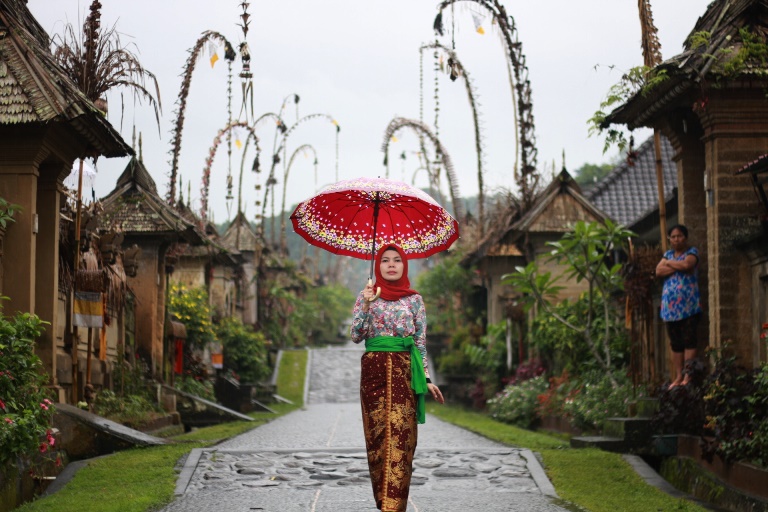

This Beginner’s Guide to Bali’s Temple Dress Code is created for travelers who want to explore Bali respectfully without feeling confused or uncomfortable at sacred sites. Bali’s temples are not just tourist attractions—they are active places of worship deeply connected to daily life. Within your first temple visit, what you wear matters more than many visitors realize. As a Bali travel expert who regularly guides international guests with local drivers, I’ll help you understand the dress rules clearly, avoid common mistakes, and enjoy temple visits with confidence and cultural awareness.
Why Temple Dress Code Matters in Bali
A core message of this Beginner’s Guide to Bali’s Temple Dress Code is respect. Balinese temples (pura) are sacred spaces governed by religious customs that locals follow every day.
Proper dress shows:
-
Respect for Balinese Hindu beliefs
-
Awareness of local traditions
-
Appreciation for cultural values
Visitors who dress appropriately are warmly welcomed, while those who ignore the rules may be denied entry or feel uncomfortable.
Basic Temple Dress Rules Every Beginner Must Know
If you remember only one thing from this Beginner’s Guide to Bali’s Temple Dress Code, remember this: shoulders and legs must be covered.
Standard requirements include:
-
A sarong covering the legs below the knees
-
A sash (selendang) tied around the waist
-
Covered shoulders (no tank tops or strapless clothing)
These rules apply to both men and women and are enforced at most temples, especially popular ones.
Sarong and Sash: What They Mean and How to Wear Them
Sarongs and sashes are not costumes—they are sacred garments. In this Beginner’s Guide to Bali’s Temple Dress Code, understanding their meaning helps you wear them correctly.
Local insights:
-
The sash symbolizes self-control and respect
-
The sarong represents humility before the gods
-
Tying the sash firmly is considered polite
Many temples offer sarong rentals, but a private driver Bali travelers hire often carries clean spare sarongs for guests, which is more convenient and respectful.
Visiting Multiple Temples in One Day
Temple visits are often part of a Bali day trip, especially when exploring Ubud, East Bali, or mountain regions. Changing outfits repeatedly can be inconvenient.
This is where a Bali car hire with driver becomes valuable:
-
Drivers plan routes to minimize repeated changing
-
Extra clothing can be stored safely in the car
-
Timing can be adjusted around ceremonies
👉 Travelers who want a smooth experience often choose a trusted Bali private tour service to ensure temple visits are well-organized and culturally appropriate.
Special Rules Beginners Often Don’t Know
A practical Beginner’s Guide to Bali’s Temple Dress Code must include rules that are not always explained clearly.
Important cultural notes:
-
Women who are menstruating are traditionally not allowed to enter temples
-
Visitors should remove shoes before certain inner areas
-
Loud behavior and excessive posing for photos are discouraged
Local drivers often explain these customs before arrival, helping travelers avoid embarrassment.
Dressing for Temple Ceremonies
Ceremonies are powerful cultural moments. During festivals, dress rules are followed even more strictly.
If you attend a ceremony as part of a Bali tour package, you may be encouraged to:
-
Wear light-colored clothing
-
Cover tattoos respectfully
-
Follow seating instructions from locals
This deeper cultural access is one benefit of booking a hire driver Bali service with local knowledge.
Temples vs Tourist Attractions: Knowing the Difference
Some sites look like temples but function mainly as scenic viewpoints. This Beginner’s Guide to Bali’s Temple Dress Code helps you tell the difference.
-
Active temples: strict dress code required
-
Temple ruins or viewpoints: rules may be relaxed
-
Village temples: rules are often more traditional
A professional Bali tour service ensures you know what level of dress is required before arrival.
Real Travel Example: First-Time Temple Visit
Traveler A arrives at a temple in shorts and is turned away at the entrance.
Traveler B books a Bali car charter with driver, receives guidance, borrows a sarong, and enters confidently.
Only one followed a proper Beginner’s Guide to Bali’s Temple Dress Code.
How Dress Code Affects Your Overall Bali Experience
Respectful dressing builds trust. Locals are more open, conversations feel warmer, and experiences become more meaningful. This Beginner’s Guide to Bali’s Temple Dress Code is not just about clothing—it’s about cultural connection.
Many travelers say temple visits become highlights of their trip once they understand the customs properly.
Final Thoughts
Following this Beginner’s Guide to Bali’s Temple Dress Code ensures your temple visits are respectful, comfortable, and stress-free. When guided by local knowledge, Bali’s spiritual sites become places of learning, reflection, and unforgettable beauty.
If you want to explore Bali’s temples the right way, book a Bali private tour or car charter with a local driver who understands the culture and traditions. Let experienced locals guide you respectfully through Bali’s sacred spaces and turn your visit into a meaningful cultural journey.