If you love the aroma of freshly brewed coffee and dream of tasting it straight from the source, then this Coffee Lovers’ Guide: Bali’s Best Coffee Plantations is your perfect travel companion. Bali is not just a paradise of beaches and temples—it’s also a haven for coffee enthusiasts. From lush highlands to tranquil villages, the island’s coffee plantations offer an authentic glimpse into how Balinese coffee is grown, harvested, and roasted.
A visit to these plantations is more than just about tasting coffee; it’s about immersing yourself in the island’s culture, connecting with local farmers, and understanding Bali’s deep agricultural roots. The best way to explore these remote plantations is with a private driver in Bali, ensuring a comfortable, flexible journey through scenic landscapes and winding countryside roads.
The Legacy of Balinese Coffee
A History Rooted in the Highlands
Coffee cultivation in Bali dates back to the early 19th century, introduced by the Dutch during their colonial rule. The fertile volcanic soil and high elevation made the island an ideal location for Arabica and Robusta beans to thrive. Today, coffee farming is a cherished tradition, particularly in the regions of Kintamani, Munduk, and Pupuan.
The Kintamani Highlands, sitting at 1,200 meters above sea level, are home to some of Bali’s best coffee plantations. The combination of mineral-rich volcanic soil from Mount Batur and the region’s cool climate gives Balinese coffee its signature citrusy and chocolatey notes.
Many plantations are still family-run, using organic farming techniques passed down through generations. Joining a Bali private tour to these regions allows you to experience coffee production up close, from bean to cup.
Top Coffee Plantations to Visit in Bali
1. Bali Pulina Agro Tourism – Ubud
One of the most popular stops for travelers, Bali Pulina in Tegallalang offers breathtaking views of terraced rice fields alongside its coffee plantation. Visitors can witness traditional roasting methods over open fire and sample a variety of local blends, including Bali’s famous Kopi Luwak (civet coffee).
The experience includes a free tasting tray with up to ten coffee and tea varieties. Whether you prefer something bold, sweet, or spicy, you’ll find something to delight your palate. With a private driver in Bali, you can easily add Bali Pulina to your Ubud day itinerary.
2. Satria Coffee Plantation – Gianyar
Located near Ubud, Satria Coffee Plantation is another must-visit spot for coffee lovers. It’s known for its interactive tours that explain every step of the coffee-making process — from picking red cherries to roasting beans.
You’ll also learn about traditional Balinese herbs used in herbal teas. The highlight is tasting Kopi Luwak, one of the most expensive coffees in the world, prepared using traditional techniques. The serene jungle backdrop and friendly hosts make this stop both educational and relaxing.
3. Munduk Moding Plantation – North Bali
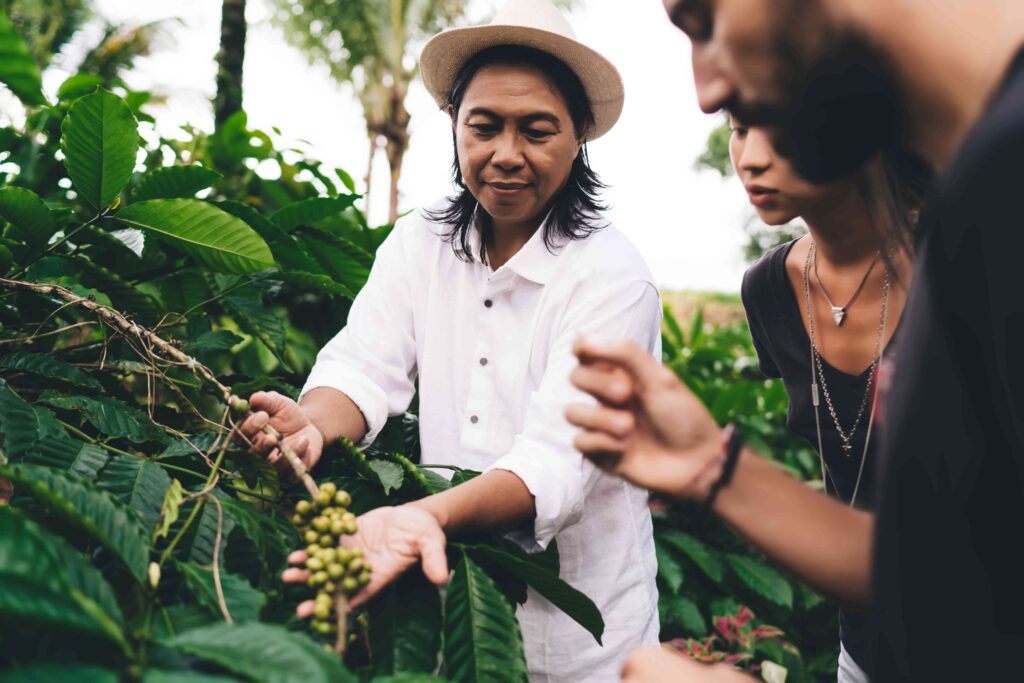
Nestled in the misty mountains of Munduk, this eco-luxury resort and plantation offers an immersive experience for coffee enthusiasts. Guests can walk through the plantation, pick coffee cherries, and join roasting workshops.
The area around Munduk is cooler and quieter, perfect for travelers seeking a peaceful escape. The panoramic views of rolling hills, waterfalls, and coffee trees are breathtaking. A Bali car rental with driver is the most convenient way to reach this area, as public transport is limited.
4. Teba Sari Agro Tourism – Sukawati
A short drive from Ubud, Teba Sari is one of Bali’s most famous agro-tourism spots. It’s known for its wide selection of organic products, including cocoa, vanilla, and herbal teas — but coffee remains the star attraction.
Visitors can join a guided tour to see how beans are roasted in clay pots and ground by hand. The tasting area overlooks a lush tropical garden, providing a serene atmosphere for sipping your freshly brewed cup.
5. Batukaru Coffee Estate – Tabanan
For those who prefer an off-the-beaten-path experience, the Batukaru Coffee Estate in Tabanan is a hidden gem. Surrounded by rainforests and mountain streams, this plantation practices sustainable, eco-friendly farming methods.
Here, you can explore the full cycle of coffee production and even purchase freshly roasted beans to take home. The estate also offers hiking trails and nature walks, making it a great stop for those combining coffee and adventure on their Bali day trip.
Understanding Bali’s Unique Coffee Types
Arabica vs. Robusta
In Bali, you’ll mostly encounter two types of coffee beans: Arabica and Robusta.
-
Arabica, grown in the highlands like Kintamani, is known for its smooth, mild flavor with hints of fruit and chocolate.
-
Robusta, found in lower areas, has a stronger, more bitter taste and higher caffeine content.
Kopi Luwak – The World’s Most Exclusive Coffee
No Coffee Lovers’ Guide: Bali’s Best Coffee Plantations would be complete without mentioning Kopi Luwak. Produced from coffee beans partially digested by the Asian palm civet, this coffee is prized for its smooth, low-acid taste.
While traditional Kopi Luwak can be controversial due to animal welfare concerns, many Bali plantations now offer ethical and cage-free production methods, ensuring a responsible experience for visitors.
Cultural Context: Coffee and Balinese Life
Coffee in Bali is more than a beverage—it’s a social tradition. Locals often gather to drink kopi tubruk, a simple but flavorful brew made by mixing ground coffee directly with hot water. It’s common to find small warungs (local cafés) where people chat, share stories, and enjoy their daily cup.
Attending a coffee tour helps visitors understand this social connection and how coffee farming supports rural communities. By joining a guided Bali private tour, you directly contribute to the local economy and sustainable agriculture.
Planning Your Coffee Tour in Bali
Best Time to Visit
The ideal time to explore coffee plantations is during the dry season (April to October), when weather conditions are clear and harvesting is often underway.
Recommended Itinerary
-
Morning: Visit Ubud or Tegallalang plantations for a market-to-cup experience.
-
Afternoon: Head north to Kintamani for mountain views and tastings.
-
Evening: Relax at a café in Ubud or Canggu and sample artisanal brews.
Hiring a private driver in Bali ensures smooth travel between locations, allowing you to explore plantations at your own pace without the stress of navigation or traffic.
Extend Your Coffee Adventure
Combine your coffee exploration with other cultural highlights on your Bali day trip — such as visiting Mount Batur, Tirta Empul Temple, or Tegallalang Rice Terrace. Most private drivers can customize your route so you can enjoy both scenic attractions and local coffee tastings in one seamless journey.
Many travelers also like to bring home souvenirs like roasted beans or handmade coffee cups from artisan workshops around Ubud.
Conclusion: Sip, Explore, and Savor Bali’s Coffee Heritage
Bali’s coffee plantations are more than destinations—they are living stories of passion, culture, and craftsmanship. This Coffee Lovers’ Guide: Bali’s Best Coffee Plantations invites you to connect with the island in the most delicious way possible.
Whether you’re walking through misty fields in Kintamani or enjoying a steaming cup overlooking Ubud’s terraces, every sip tells a tale of dedication and tradition.
To make your experience seamless and memorable, book a Bali private tour or hire a private driver in Bali. With expert guidance, flexible routes, and comfortable travel, you can savor Bali’s coffee culture from bean to brew—without missing a moment of magic.