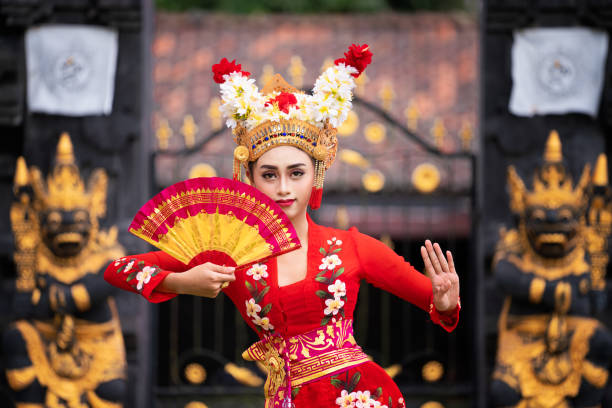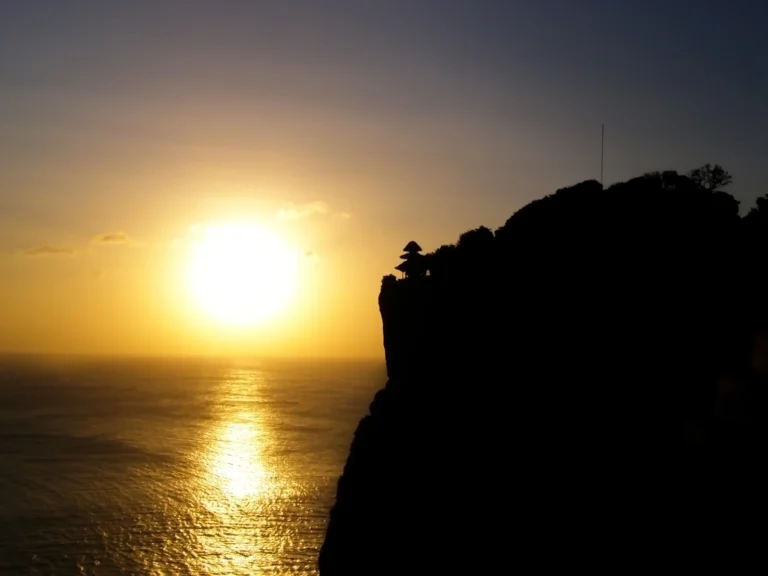
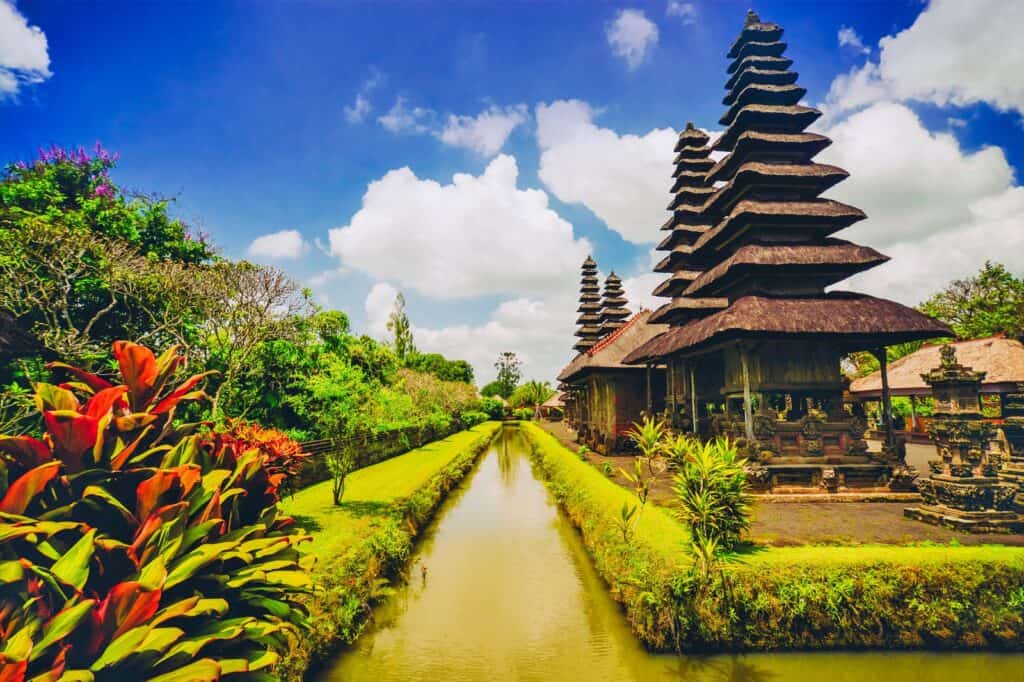


If you’re seeking to dive deeper than just the beaches and nightlife, a Discover Tri Hita Karana Philosophy Tour offers a unique way to experience Bali — through its spirituality, community values, and respect for nature. With a private driver at your side, this tour connects you with the heart of Balinese life: sacred temples, verdant rice terraces, traditional villages, and living cultural practices that reflect harmony between people, nature, and the divine. As a Bali travel expert, I believe this tour is one of the most meaningful ways to explore the island — blending comfort, local insight, and authenticity. Whether you’re curious about philosophy or just want to see Bali’s living culture, this journey delivers a soulful and memorable experience.
If you prefer a well-organized day, consider booking a Bali private tour service — they offer reliable car hire with driver and tailor-made itineraries for a hassle-free exploration.
What is Tri Hita Karana: The Foundation of Balinese Harmony
At the core of Balinese life is Tri Hita Karana, which translates loosely as “three causes of well-being” or “three sources of prosperity.” Wikipedia
These three pillars guide everything from religious ritual to community life and environmental management:
-
Parhyangan – Harmony with the Divine — honoring gods and ancestors through temple ceremonies, daily offerings, and spiritual rituals. Bali.com
-
Pawongan – Harmony among People — community togetherness, mutual support, social cooperation, and balance in human relationships.
-
Palemahan – Harmony with Nature — respect for the natural world, sustainable agriculture, environmental stewardship, and living in balance with land and water. UNESCO World Heritage Centre
Tri Hita Karana is not a distant ideal — it is woven into the everyday lives of Balinese people. From the layout of villages to the way rice fields are irrigated, from temple ceremonies to cooperative farming — it shapes Bali’s cultural fabric and landscapes. Niskala Tours
One of the most powerful expressions of this philosophy is the traditional irrigation and rice-farming system known as Subak — a cooperative network of canals, water temples, and rice terraces that embodies spiritual, social, and environmental harmony.
Why a Tour by Private Car Makes the Philosophy Accessible
While you could try to visit temples and rice terraces by public transport or ride-hailing apps, a private-car charter offers distinct benefits — especially for a journey that aims to understand and respect cultural depth:
-
Comfort & convenience: With “Bali car hire with driver”, you travel in air-conditioned comfort, avoid navigation headaches, parking difficulties, or coordination of multiple transport legs — essential when visiting remote temples or rural rice-fields.
-
Flexibility & personalization: You get to tailor your itinerary — linger in a quiet temple, arrive early at rice terraces for golden-hour light, or detour to a small village when something catches your eye — typical of a relaxed “Bali day trip.”
-
Local insight & cultural respect: A competent driver or local guide can help you understand temple etiquette, village customs, historical context, and subtle meanings behind rituals or offerings — making your “Discover Tri Hita Karana Philosophy Tour” immersive rather than superficial.
-
Meaningful multi-site coverage: Tri Hita Karana’s values are expressed across diverse landscapes — water temples, rice terraces, villages — and a private car enables covering several of these in a day without stress or rushed transfers.
For travelers who want to go beyond sightseeing and appreciate Bali’s living culture — “hire driver Bali” with a mindful tour intent is often the most rewarding choice.
What You Experience: Spiritual Sites, Rice Landscapes & Community Life
A well-designed Discover Tri Hita Karana Philosophy Tour typically blends temple visits, natural landscapes, and community insight. Here’s what you might experience:
Spiritual and Sacred Temples
-
Visit spiritual water temples or village temples where locals come daily for offerings. These sites show how religion and nature intertwine in Balinese life — a manifestation of Parhyangan and Palemahan.
-
Attend or observe traditional ceremonies: from small daily offerings (canang sari) to larger festival events — giving insight into living Hindu practice in Bali.
Ancient Rice Terraces & Subak Landscapes
-
Explore rice-field landscapes managed under Subak — terraces, canals, water-gates, and temples — reflecting centuries-old sustainable agriculture guided by Tri Hita Karana. UNESCO World Heritage
-
Walking among paddies, observing irrigation channels, talking with farmers — such visits reveal how humans, land, and water flow together in harmony with nature.
Village Life & Community Harmony
-
Many villages in Bali still live communal values: collective farming, community ceremonies, cooperative work, and shared social responsibility — expressions of Pawongan. Visiting such villages gives a glimpse of real Balinese daily life beyond the tourist zones.
-
Small-scale agro-tourism and community-based tourism initiatives often follow Tri Hita Karana principles — inviting visitors to engage respectfully, learn, and support sustainability. Bali Expat
Environmental & Cultural Sustainability in Tourism
-
The philosophy is now influencing how tourism develops in Bali — promoting balance between visitor experiences and preservation of nature, culture, and community. Sustainable tourism providers wrap their services around Tri Hita Karana values. ANTARA
-
As a traveler on a guided tour, you contribute to conservation — opting for mindful tours rather than mass-tourism packages helps support communities, respect traditions, and preserve landscapes.
Sample Itinerary: Discover Tri Hita Karana Philosophy Tour by Car
Below is an example of a full-day itinerary if you book a Discover Tri Hita Karana Philosophy Tour via a reliable “Bali tour package” with car hire and driver:
-
08:00 AM — Pickup from your hotel or villa (from Seminyak, Ubud, Denpasar, etc.) by a comfortable, air-conditioned vehicle with English-speaking driver.
-
09:30 AM — Visit a rural water temple or village temple — observe morning offerings, discover temple gates, carvings, spiritual ambiance. Learn about the temple’s history and significance from your driver.
-
11:00 AM — Head to a rice-field region — ideally terraced paddies managed by Subak. Walk around terraces, inspect irrigation channels, see fields, talk with local farmers (when possible).
-
12:30 PM — Lunch at a local warung or simple village restaurant — enjoy authentic Balinese dishes and perhaps meet locals in a relaxed environment.
-
02:00 PM — Continue to a nearby traditional village or cultural center — witness village compounds, community temples, local architecture and get a feel for communal living under Pawongan.
-
03:30 PM — Optionally visit another water-temple complex or secondary Subak area — especially valuable near sunset when light softens over rice fields.
-
05:00 PM — Scenic drive back, perhaps stop for a sunset over a valley or river, reflecting on your day of cultural immersion.
-
06:30–07:00 PM — Drop off at your hotel — with a richer understanding of Bali’s philosophy, lifestyle, and enduring harmony of spirit, people, and nature.
This pace gives enough time for reflection, conversation, respectful observation — not rushed tourism. With “private driver Bali,” the day is yours to shape.
Tips for Respectful and Meaningful Exploration
To make the most of a Discover Tri Hita Karana Philosophy Tour — and to respect local customs and environment — keep these points in mind:
-
Dress modestly, especially if entering temples or villages — cover shoulders and knees; many temples expect sarongs/sashes (your driver can help or arrange one if needed).
-
Respect rituals and offerings — step carefully around temple grounds, avoid disturbing offerings (canang), don’t take photos during ceremonies unless permitted.
-
Participate thoughtfully — if offered, observe or join low-impact rituals or community events; listen and learn rather than just photograph.
-
Support local economy — eat at village warungs, buy produce or crafts from local markets, avoid overtouristed spots; this helps sustain communities practicing Tri Hita Karana values.
-
Travel sustainably — avoid littering, respect water resources, follow guidance of locals and drivers to minimize environmental footprint — aligning with Palemahan’s spirit.
Real Travel Example: Harmony in Action
On a recent guided tour I arranged with a couple from Europe, they started early from Ubud. Their driver first took them to a small village temple in central Bali — at sunrise, the temple courtyard was quiet, incense smoke rising gently, soft chants from a small family ritual. The couple observed respectfully, asked questions, and felt the serenity of devotion and tradition.
From there, the driver led them to a rice-terrace area managed by Subak. They walked along narrow paths between paddies, water gently trickling through ancient stone channels, sunlight reflecting off vibrant green shoots. They met a local farmer tending young rice — the farmer explained how water is shared, how the community coordinates planting, and how the Subak system ensures fairness, sustainability, and respect for land.
Later, they had lunch under shady trees at a local warung — sharing food with villagers who greeted them with warmth. In the afternoon, they visited a communal village compound where children played, elders chatted, and temple gates marked the sacred heart of communal life. Walking slowly, listening, observing, they left feeling connected — not as tourists, but as guests invited to witness living culture.
After the sunset, during the return drive, the couple said they felt they had “seen the soul of Bali” — not just its beauty, but its values: balance, respect, cooperation, spirituality. For them, the Discover Tri Hita Karana Philosophy Tour offered more than photos — it offered meaning.
Why This Tour Is More Than Just Sightseeing
The beauty of a Discover Tri Hita Karana Philosophy Tour is that it goes beyond typical tourist experiences. It’s not just about temples or rice terraces — it’s about understanding how a philosophy shapes life.
-
It shows how faith, community, and ecology interweave — temples, water temples, rice fields, villages: all part of a living system rooted in harmony.
-
It reveals sustainable living — through Subak, community cooperation, respect for nature — a model increasingly relevant in today’s world.
-
It offers authentic cultural immersion — real people living their traditions, not staged performances; meaningful encounters instead of fleeting snapshots.
-
And with private driver Bali and thoughtful planning, it combines comfort, safety, flexibility — making it achievable for travelers of varied backgrounds.
If you want travel with depth rather than just delight — with understanding rather than just photos — this kind of tour invites you to slow down, observe, learn, and reflect.
Call to Action — Start Your Journey to Balance and Harmony
Are you ready to experience Bali in its truest sense: spiritual, communal, sustainable? A Discover Tri Hita Karana Philosophy Tour is more than a trip — it’s a journey into the heart of Balinese life, where people, nature, and spirit walk together in balance.
Book your Bali private tour or car charter with a trusted local driver today. Choose respect over rush, depth over convenience — and discover Bali’s timeless wisdom through its temples, rice fields, and people.