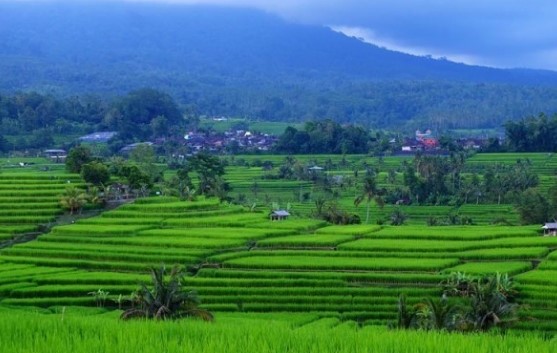
Understanding Everything You Need to Know About Bali’s Subak System will completely change how you see Bali’s famous rice terraces. What looks like simple green landscapes is actually a living cultural system that has shaped Balinese life for over a thousand years. Subak is not just irrigation—it is a spiritual, social, and agricultural philosophy still practiced today. As a Bali travel expert who regularly guides visitors with local drivers, I’ll help you explore this UNESCO-recognized heritage in a way that is respectful, insightful, and truly authentic.
What Is the Subak System?
Table of Contents
ToggleAt its core, the Subak system is a traditional Balinese irrigation network managed by local farmers. But Everything You Need to Know About Bali’s Subak System goes far beyond water distribution.
Subak is based on Tri Hita Karana, the Balinese philosophy of harmony between:
-
Humans and the divine
-
Humans and nature
-
Humans and their community
Water flows from sacred mountain temples through canals, tunnels, and weirs, nourishing rice fields across villages. Each farmer receives water fairly through community cooperation rather than competition.
Why the Subak System Is a UNESCO World Heritage
One essential part of Everything You Need to Know About Bali’s Subak System is understanding its global importance. In 2012, UNESCO recognized Subak as a World Cultural Heritage because it represents a rare example of sustainable agriculture rooted in spirituality.
UNESCO highlighted:
-
Democratic water management by farmers
-
Integration of temples and agriculture
-
Sustainability maintained for centuries
This recognition protects areas such as Jatiluwih, Tegalalang, and parts of central Bali.
How Temples Control Water Flow
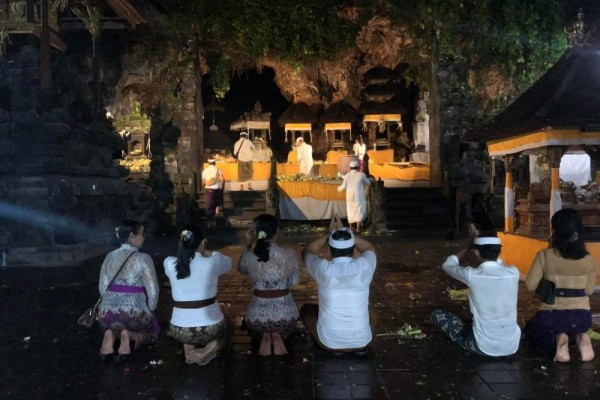
Water temples are the heart of Subak. In this Everything You Need to Know About Bali’s Subak System, temples are not symbolic—they actively coordinate planting schedules and water sharing.
Local insights:
-
High mountain temples release water downstream
-
Village temples manage distribution
-
Farmers meet regularly to make collective decisions
Visiting these temples with a private driver Bali travelers trust allows you to understand their role without disrupting ceremonies.
Visiting Subak Sites with a Local Driver
Many Subak locations are far from main tourist roads. Narrow village lanes, limited parking, and unmarked entrances can make independent travel difficult. This is where Everything You Need to Know About Bali’s Subak System connects directly with travel planning.
Using a Bali car hire with driver provides:
-
Easy access to rural rice terraces
-
Respectful guidance on where to walk
-
Flexible stops for photos and explanations
👉 For travelers who want authentic access without stress, a professional Bali private tour service helps plan routes that respect local farming activities and temple schedules.
Best Places to Experience the Subak System
A practical Everything You Need to Know About Bali’s Subak System includes knowing where to see it properly.
Recommended areas:
-
Jatiluwih Rice Terraces (largest and most intact)
-
Sidemen Valley (less crowded, deeply traditional)
-
Tegalalang (iconic but best visited early)
A customized Bali day trip can combine rice terraces, village temples, and local lunch stops for a balanced experience.
Daily Life of Subak Farmers
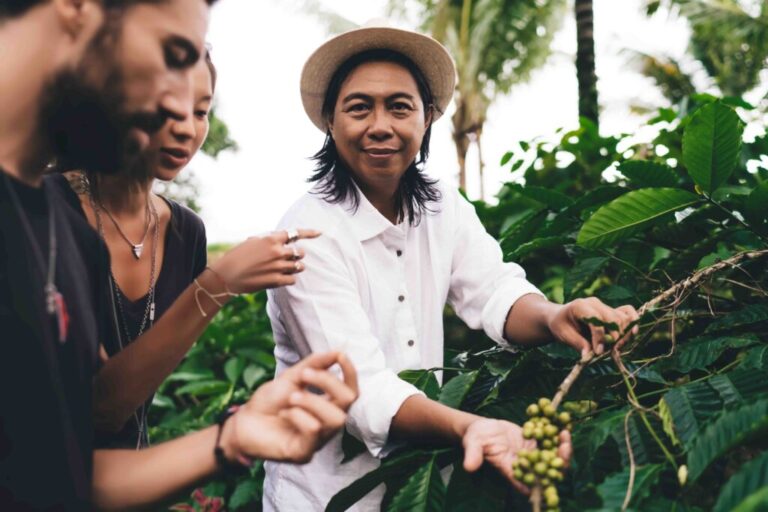
Subak is maintained by farmers working together. This Everything You Need to Know About Bali’s Subak System highlights the human side of agriculture.
Farmers:
-
Meet regularly at water temples
-
Coordinate planting to control pests naturally
-
Perform rituals before planting and harvesting
When guided by a local Bali tour service, visitors often hear personal stories that reveal how Subak still supports families today.
Respectful Behavior When Visiting Rice Terraces
Rice fields are workplaces, not theme parks. A responsible Everything You Need to Know About Bali’s Subak System emphasizes respectful tourism.
Visitor etiquette includes:
-
Staying on marked paths
-
Avoiding stepping on young rice plants
-
Asking permission before photographing farmers
Local drivers often explain these rules clearly before arrival, helping travelers avoid unintentional disrespect.
Subak and Modern Challenges
While ancient, Subak faces modern pressure. Urban development, water diversion, and tourism strain the system. Understanding Everything You Need to Know About Bali’s Subak System also means recognizing why responsible tourism matters.
Choosing:
-
Local guides
-
Ethical Bali tour package options
-
Community-supported attractions
helps preserve Subak for future generations.
Real Travel Example: With and Without Context
Traveler A visits rice terraces, takes photos, and leaves without understanding their meaning.
Traveler B books a hire driver Bali service, visits a water temple, talks with farmers, and learns how Subak works.
Only one truly experiences Everything You Need to Know About Bali’s Subak System.
Why Subak Is Best Explored Through Bali Daily Tours
Subak sites are spread across regions, making guided travel ideal. Well-designed Bali daily tours connect:
-
Rice terraces
-
Water temples
-
Traditional villages
This approach saves time while deepening understanding.
Final Thoughts
Learning Everything You Need to Know About Bali’s Subak System reveals that Bali’s beauty is not accidental—it is the result of centuries of cooperation, belief, and respect for nature.
If you want to experience Bali’s rice terraces and Subak system the right way, book a Bali private tour or car charter with a local driver. Let experienced locals guide you through this living heritage while you enjoy Bali comfortably, respectfully, and meaningfully.