


If you want to witness how Bali’s deep-rooted traditions have evolved over centuries — from ancient agrarian rituals to modern cultural expressions — a Evolution of Balinese Culture Daily Tour is an ideal way to explore. With a private driver and chartered car, you’ll travel comfortably across the island and discover temples, villages, rice-terrace landscapes, artistry and everyday life that reflect Bali’s dynamic cultural journey. As a Bali travel expert, I believe this tour offers a meaningful, authentic experience that blends heritage, living culture, and modern tourism with respect for local traditions. Whether you’re a history buff, a curious traveller, or someone seeking depth beyond the beach — this tour brings Bali’s evolving culture to life.
To get a seamless experience, consider booking through a trusted Bali private tour service offering Bali car hire with driver — enabling you to navigate the island with ease and insight.
Understanding the Evolution of Balinese Culture: Roots to Present
The culture of Bali today is the result of centuries of layered history — from indigenous animistic societies, through Hindu-Javanese influence, to modern globalization and tourism. A thoughtful tour helps you see how these layers still coexist in art, rituals, community life, and daily living.
Ancient Origins & Hindu-Animist Blend
Long before outside influence, early inhabitants of Bali practiced ancestor worship, animism, and nature reverence. Their life revolved around agriculture, especially wet-rice farming, and communal living. Bali.com
Starting around the early centuries AD, Indian traders and later Javanese influence through the Majapahit Empire brought Hindu ideas, Sanskrit, and temple-based religious practices to the island. Over time, the Balinese adapted Hinduism to their existing animistic traditions, creating a unique syncretic faith known today as Agama Hindu Dharma — distinctively Balinese in character. Bali.com
This blending set the foundation for many elements Bali is known for today: temple architecture, ritual offerings, water-management systems like the traditional irrigation network Subak, rice-field landscapes, and community cohesion. Bali.com
Artistic and Spiritual Flourishing: Temples, Dance, Crafts
As Hindu-Balinese culture matured, it nurtured a rich artistic heritage — wood carving, painting, sculpture, performing arts, traditional music, and temple architecture. Wikipedia
Traditional Balinese dance forms, theatre, and music — often based on Hindu epics — became integral to cultural identity. Dances and performances gave expression to spiritual stories and communal values. Over time, ceremonies, festivals, and arts preserved ancestral wisdom while embracing new influences. Wikipedia
Today, some of these traditions are maintained on village and temple levels; others are adapted for tourists — yet both reflect ongoing cultural evolution. Bukit Vista
Modern Influences: Tourism, Globalization & Cultural Adaptation
In recent decades, tourism and global exposure have significantly impacted Balinese culture. As visitors flock to Bali in large numbers, traditional rituals, dances, arts, and crafts have increasingly been shared with the world — sometimes adapted to meet tourist expectations. Bukit Vista
This shift has brought both opportunities — improved livelihoods, preservation of arts, broader recognition — and challenges: commercialized performances, diminished traditional livelihoods like agriculture, and changing social dynamics. Bukit Vista
A carefully designed daily tour can help you witness both heritage and modern realities — offering insight into how Balinese culture remains vibrant and adaptive.
What a “Evolution of Balinese Culture Daily Tour” Covers
A thoughtfully arranged cultural day tour contrasts traditional and modern facets of Bali’s culture — from temples and villages to arts, rice fields, and community life. With a private driver, you can comfortably cover multiple types of experiences in one day.
Ancient and Sacred Sites: Temples & Religious Heritage
-
Visit historic temples to understand how Hindu-Balinese beliefs shaped spiritual life. Temples remain focal points for worship, ceremonies, and communal gatherings — echoing centuries of tradition.
-
Observe daily rituals or offerings (canang) that demonstrate continuity of faith and ancestral practices. These rituals illustrate how ancient beliefs and Hindu influence merged into living traditions.
-
Explore water-temple and Subak-linked landscapes — seeing how water management, agriculture, and spirituality intertwined in Balinese society.
Artistic Villages and Craft Heritage
-
Visit artisan villages or workshops where locals practice wood carving, painting, sculpture, and traditional arts — many rooted in spiritual or mythological themes inherited from Hindu-Javanese times.
-
See how craftsmanship has adapted: some works cater to ceremonial use, others to modern demand (souvenirs, home décor, tourist interest), reflecting cultural evolution.
-
Engage with artisans or watch craft-making — gaining insight into techniques passed down generations, and how tradition meets modern livelihood.
Performing Arts & Cultural Performances
-
Attend performances (or temple-festival shows) of traditional dance, music, or theatre: expressions rooted in Hindu epics, folklore, and communal rituals remain alive but sometimes adapted for wider audiences.
-
Witness how these arts thrive, evolve, and adapt — balancing authenticity with contemporary appreciation, materializing culture in motion.
Village & Rural Life: Agriculture, Community & Everyday Bali
-
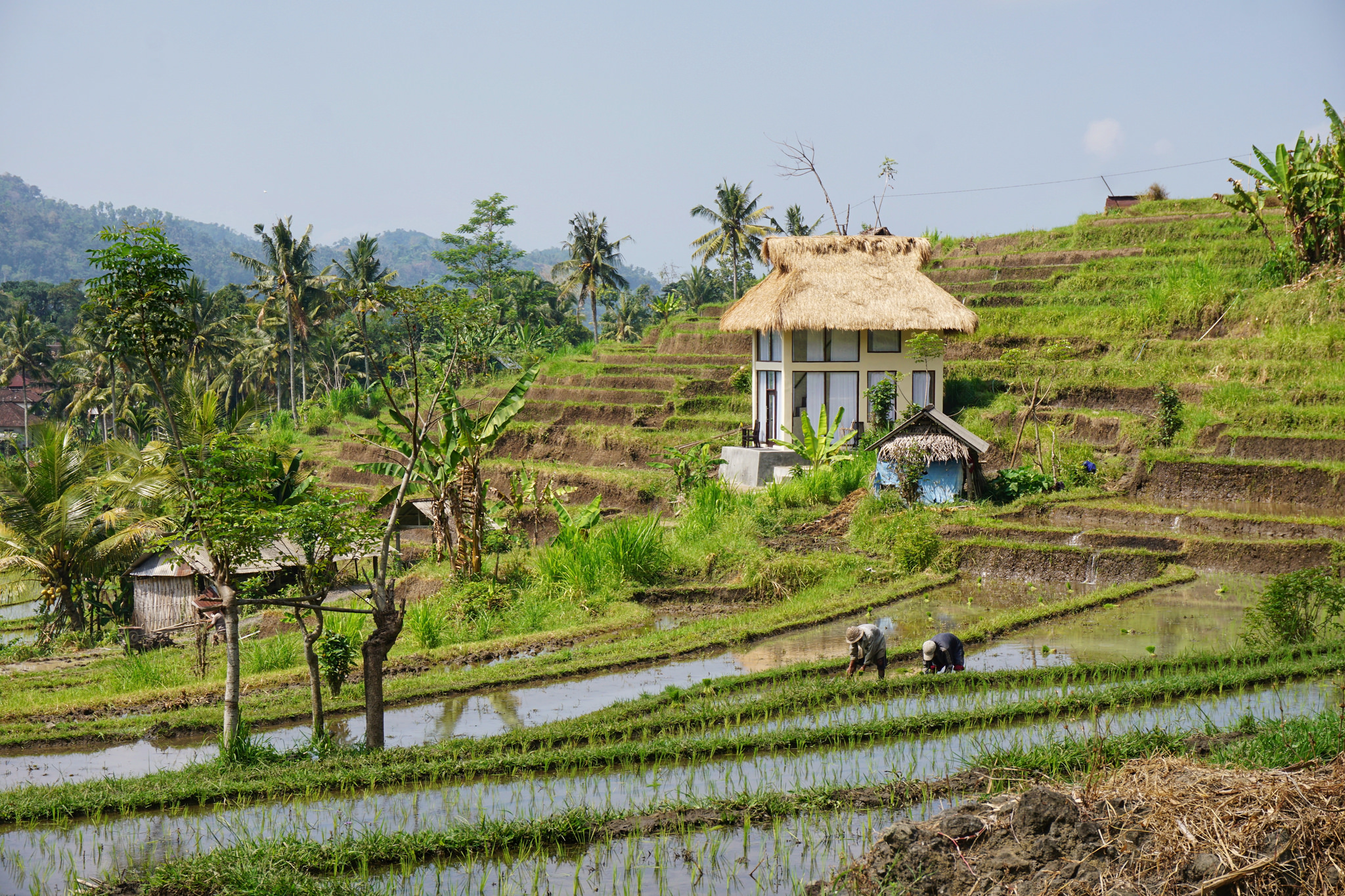
Travel to rice-field landscapes, Subak terraces or rural regions to observe how agriculture remains part of life. Even as modernization spreads, many villages maintain traditional farming and community-based water-management systems.
-
Visit villages where daily life, traditional houses, communal structures, and spiritual practices still thrive — giving a living portrait of Balinese culture beyond tourist zones.
-
See generational shifts: younger people may pursue tourism or different livelihoods; villages adapt to new realities while maintaining identity. This contrast demonstrates culture in flux.
Modern Influences: Tourism, Infrastructure, and Contemporary Life
-
Observe how tourism has reshaped Bali: resorts, roads, traffic, urban expansion — alongside traditional villages and cultural roots.
-
Experience services tailored to modern travellers: tour packages, guided visits, private car charters — reflecting a blending of traditional culture with modern convenience.
-
Reflect on challenges and opportunities: how Bali balances preserving heritage while embracing tourism and development.
Sample Itinerary: Evolution of Balinese Culture Daily Tour by Car
Here’s a sample itinerary for a full-day exploration that captures Bali’s cultural evolution — enabled by Bali car hire with driver for ease, comfort, and flexibility:
-
08:00 AM — Pickup from hotel/villa (Seminyak, Ubud, Denpasar, etc.) in a comfortable, air-conditioned car with a friendly, English-speaking driver.
-
09:00 AM — Visit an ancient village temple: enter respectfully, observe morning offerings or rituals, learn about temple history and Hindu-animist heritage.
-
10:30 AM — Head to a traditional artisan village or workshop: watch woodcarving, painting, sculpture, or other crafts; talk to artisans about traditional themes and modern demand.
-
12:00 PM — Lunch break at a local warung or village restaurant — taste traditional food and observe daily village life away from tourist zones.
-
01:30 PM — Visit rice terraces or Subak-managed fields: walk among paddies, observe irrigation canals and community water systems, learn about agricultural heritage.
-
03:00 PM — Continue to a cultural center or scheduled performance: watch traditional dance or music performance — demonstrating how ancient art adapts to modern tourism.
-
04:30 PM — Drive through rural countryside or evolving urban zones — observe how infrastructure and tourism shape contemporary Bali alongside tradition.
-
06:00 PM — Optional: sunset viewpoint, temple-clifftop, or village rim for panoramic views — reflect on contrasts between past and present.
-
07:30 PM — Drop-off at your hotel — return from a day that showed Bali in multiple lights: spiritual, artisanal, rural, cultural, and modern.
This well-rounded day gives you a macro and micro view of how Balinese culture evolved — all facilitated by a private driver who knows local roads, customs, and cultural context.
Real Travel Example: Witnessing Culture in Transition
A few months ago I arranged this tour for a family staying near Ubud. In the morning, they visited a small village temple where local villagers came to offer incense and offerings — the children observed quietly, and the guide explained the symbolic meanings.
Later, they visited an artisan wood-carving workshop. A master carver demonstrated intricate patterns inspired by mythology, temple motifs, and natural forms. The family bought a small carving directly, supporting local craftsmanship.
After lunch at a modest village warung, they went to rice terraces managed by Subak: water channels glimmered, green paddies stretched far — a tranquil reminder of Bali’s agrarian roots. The driver introduced them to a local farmer, and they learned how water, community and faith combine to sustain the land.
In the late afternoon, they attended a traditional dance performance — originally sacred, now often shared with visitors. The drama, music, and storytelling moved them; they realized how culture evolves but retains its soul.
During the return, they noticed bustling roads, new villas, and signs of modern development interspersed with villages and temples — a living map of cultural evolution. They said the day felt like “centuries of Bali in one journey” — a glimpse into past, present, and future.
Why Bali Car Charter with Driver Is Ideal for This Cultural Tour
Choosing a private-car charter with driver — rather than relying on public transport, ride-hailing, or fixed-schedule tours — makes a big difference when your goal is depth, flexibility, and cultural immersion.
-
You get comfortable, air-conditioned transport, avoiding the heat, narrow roads, and chaotic logistics — especially when visiting temples, rural areas, or artisan villages.
-
The flexible schedule lets you linger where you feel connected: more time at a temple, extra questions for artisans, a slower walk in the rice fields — instead of guessing based on a rigid timetable.
-
Your driver often serves as a culture-sensitive guide, helping with etiquette (temple dress codes, respectful behaviour), pointing out meaningful spots, and sharing local stories — enriching your “Bali day trip”.
-
A Bali tour package offering such service bundles convenience, clarity, and local knowledge — ideal for visitors seeking genuine cultural insight rather than just surface-level sightseeing.
If your travel aim is cultural depth, understanding, and respect — a private-car cultural day tour gives you the space to connect, reflect, and appreciate Bali’s evolving heritage.
Practical Tips & Cultural Awareness for a Meaningful Tour
To get the most out of your Evolution of Balinese Culture Daily Tour — with respect to local traditions — consider these tips:
-
Dress modestly when visiting temples (sarong and sash or modest clothing), and be aware of temple etiquette — some sacred sites may restrict access depending on local customs or ceremonial schedules.
-
Approach artisan villages with respect: ask before photographing, avoid bargaining disrespectfully, and if buying crafts — support local artisans directly rather than mass-production stalls.
-
Engage mindfully: ask questions about history, craftsmanship, rituals — show interest beyond just sightseeing. Local artisans and villagers often appreciate genuine curiosity.
-
Be aware of tourism’s impact: increased development and real estate demand sometimes threaten traditional ways; treat villages, fields, and temples with care, and support sustainable tourism practices.
-
Choose reputable, ethical Bali tour services: ones that respect local culture, provide fair return to communities, and encourage responsible travel.
With awareness and respect, your cultural tour can be both enriching and responsible — for you and for Bali.
Conclusion
Bali’s culture is not frozen in time — it’s vibrant, evolving, layered. The Evolution of Balinese Culture Daily Tour offers a unique, immersive pathway to explore that evolution: from ancient rituals and rice terraces, through artisan craftsmanship and temple artistry, to modern influences and the challenges of globalization.
If you want to see Bali beyond beaches — to understand its history, heritage, community, and soul — booking a tour with Bali car hire with driver is the best way. Comfort, flexibility, local insight, and respect all come together for an enriching cultural journey.
Ready to experience living history, artistry, spirituality, and daily life on one meaningful day? Book your Bali private tour or car charter today — and let the evolution of Balinese culture reveal itself to you.