Exploring Bali’s Culture: What Every Tourist Should Know is more than just an introduction to a travel destination — it’s an invitation to understand the soul of the island. Known as the “Island of the Gods,” Bali is a place where art, spirituality, and daily life blend seamlessly. From its sacred temples and traditional dances to colorful ceremonies and ancient rituals, every aspect of Balinese culture tells a story. For travelers, diving into this unique cultural landscape transforms a simple vacation into an unforgettable spiritual journey. This guide will help you understand the essential aspects of Balinese culture, etiquette, and traditions so that you can appreciate the island beyond its beaches and resorts.
Understanding the Spiritual Heart of Bali
Bali’s culture is deeply rooted in spirituality. The Balinese people follow a unique form of Hinduism called Agama Hindu Dharma, which influences every part of life — from daily offerings to community festivals.
Daily Offerings and Rituals
Every morning, you’ll notice small palm-leaf baskets called “canang sari” placed in front of homes, shops, and temples. These offerings, filled with flowers, rice, and incense, express gratitude and maintain harmony between humans, gods, and spirits. Tourists should be respectful and avoid stepping on these offerings, as they hold deep religious meaning.
Temples and Sacred Spaces
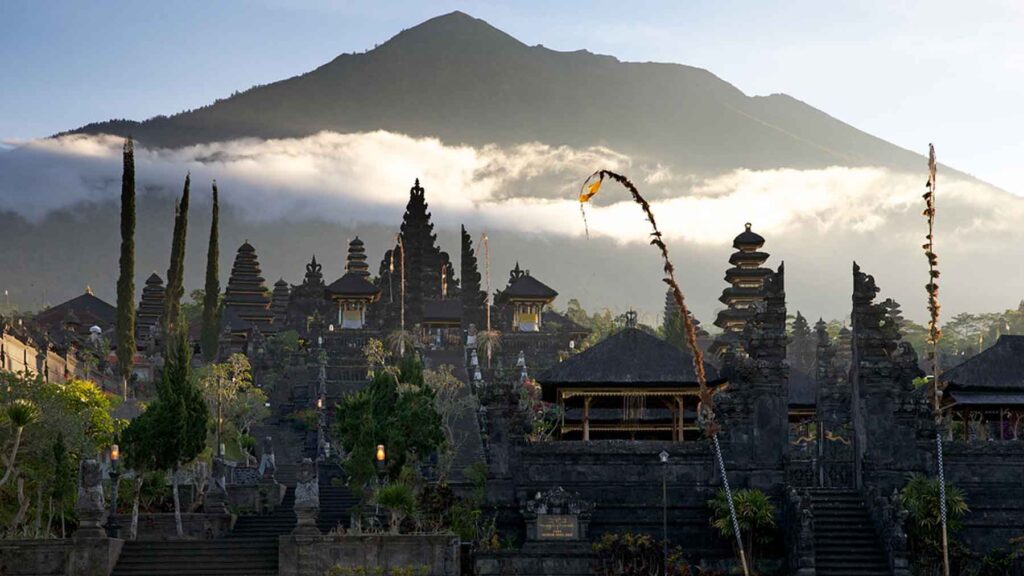
Temples, or “pura,” are central to Balinese life. Each village typically has three main temples: one for the gods, one for the ancestors, and one for community rituals. Famous temples such as Tanah Lot, Uluwatu, and Besakih Temple attract both worshippers and visitors. When visiting, wear proper attire — a sarong and sash are often required — and avoid interrupting ceremonies or entering restricted areas.
Balinese Art, Dance, and Music
The arts in Bali are not just for entertainment — they’re a reflection of spiritual devotion and storytelling. Every dance, painting, or carving has symbolic meaning tied to myths and religion.
Traditional Balinese Dance
Balinese dance is one of the most vibrant art forms in Indonesia. Performances like the Barong Dance depict the eternal battle between good and evil, while the Legong Dance showcases intricate movements and elegant costumes. Watching these performances is a must for anyone exploring Bali’s culture.
Music and the Gamelan Orchestra
The distinctive sound of Gamelan, Bali’s traditional orchestra, accompanies many ceremonies and dances. Its rhythmic metallic tones, produced by xylophones, gongs, and drums, create an atmosphere that captures the mystical essence of the island.
Balinese Painting and Woodcarving
Artistic expression is visible everywhere in Bali — from temple sculptures to handcrafted souvenirs. Villages like Ubud, Mas, and Celuk are famous for their artisans. Visiting these communities offers a glimpse into the creative process and an opportunity to support local craftsmanship.
Balinese Ceremonies and Festivals
To truly experience Balinese culture, tourists should witness the island’s many religious ceremonies and festivals. Each event celebrates the cycle of life, nature, and the divine.
Nyepi – The Day of Silence
One of Bali’s most unique celebrations is Nyepi, the Balinese New Year. Unlike typical festivities, this day is marked by complete silence. The island comes to a halt — no travel, lights, or noise — as everyone reflects and meditates. For tourists, it’s a rare opportunity to experience profound peace and stillness.
Galungan and Kuningan
These festivals commemorate the victory of good over evil. Villages are decorated with penjor — tall bamboo poles adorned with offerings — and families gather to honor their ancestors. Travelers visiting during this time will witness the island at its most spiritual and colorful.
Odalan – Temple Anniversary Celebrations
Every temple in Bali celebrates its anniversary, known as Odalan, with rituals, dance performances, and offerings. Attending one is an unforgettable way to see how tradition and community spirit come alive.
Balinese Family and Community Life
Balinese society revolves around community, family, and cooperation. The concept of “banjar” (village organization) ensures that everyone participates in maintaining harmony.
The Banjar System
Each village has a banjar, a local community group responsible for organizing ceremonies, maintaining temples, and resolving conflicts. Tourists will often notice community members working together to prepare for religious events or traditional dances.
Role of Family in Balinese Culture
Family is considered sacred in Bali. Multi-generational homes are common, and elders are highly respected. Understanding this family dynamic helps visitors appreciate the warmth and hospitality of the Balinese people.
Etiquette and Respectful Behavior for Tourists
When exploring Bali’s culture, tourists should observe certain customs to show respect and avoid misunderstandings.
Dress Modestly
Whether visiting temples or local villages, modest clothing is appreciated. Cover your shoulders and knees, especially in sacred places.
Show Respect at Ceremonies
Avoid blocking processions or taking intrusive photos during ceremonies. Always ask permission before photographing people.
Use Your Right Hand
In Balinese tradition, the left hand is considered impolite for giving or receiving items. Always use your right hand when exchanging money or gifts.
Mind Your Feet
Feet are seen as the lowest and dirtiest part of the body. Avoid pointing your feet toward religious objects or people.
Balinese Cuisine and Culinary Traditions
Food in Bali is another window into its culture. Balinese cuisine is rich in flavor, blending spices and fresh ingredients to create dishes that symbolize togetherness and gratitude.
Must-Try Balinese Dishes
-
Babi Guling (roast suckling pig): A ceremonial dish often served at festivals.
-
Lawar: A mix of vegetables, coconut, and minced meat with rich spices.
-
Nasi Campur: A combination of rice with various side dishes, reflecting Bali’s diversity in one plate.
Traditional Eating Practices
Meals are often shared family-style, emphasizing unity. Eating with the right hand and expressing gratitude before and after meals are common practices.
Preserving and Respecting Bali’s Cultural Heritage
Tourism plays a big role in Bali’s economy, but it also brings challenges. Sustainable and respectful travel ensures that Bali’s traditions remain strong for future generations.
Support Local Communities
Buy from local artisans, attend cultural performances, and participate in community tours. This helps preserve Bali’s heritage and supports families directly.
Practice Responsible Tourism
Respect the environment, avoid littering near temples and beaches, and be mindful of sacred areas. The Balinese see nature as a spiritual entity that must be protected.
Conclusion: Embracing the Spirit of Bali
Exploring Bali’s Culture: What Every Tourist Should Know is not just about sightseeing — it’s about connecting with an ancient tradition that continues to thrive in modern times. From its temples and rituals to its arts and community values, Bali’s culture invites every visitor to slow down, reflect, and find harmony. When you immerse yourself in this island’s way of life with respect and curiosity, you don’t just visit Bali — you become part of its enduring story.