
This Guide to Bali’s Village Layouts and Traditional Architecture is designed for travelers who want to understand Bali beyond beaches and resorts. Within your first few days on the island, you’ll notice that Balinese villages are carefully planned, spiritually aligned, and deeply connected to daily life. As a Bali travel expert, I often recommend exploring these villages with a private driver Bali service, allowing you to move comfortably between temples, traditional homes, and cultural centers while learning the stories behind them.
Understanding how villages are laid out will enrich every Bali day trip, especially when combined with a flexible Bali car hire with driver.
Philosophy Behind Bali’s Village Layouts
At the heart of this Guide to Bali’s Village Layouts and Traditional Architecture is the Balinese Hindu philosophy of Tri Hita Karana, which emphasizes harmony between humans, nature, and the spiritual world. Villages are not built randomly; they follow sacred orientations:
-
Kaja (toward the mountains): sacred direction
-
Kelod (toward the sea): less sacred
-
Kangin (east, sunrise): purity and beginnings
-
Kauh (west, sunset): closure and balance
When you hire a driver in Bali, a knowledgeable local driver can point out how these directions influence village design as you travel through areas like Ubud, Sidemen, or Tenganan.
Structure of a Traditional Balinese Village
A core part of this Guide to Bali’s Village Layouts and Traditional Architecture is understanding the three main zones commonly found in villages:
-
Pura Desa (Village Temple) – located in the most sacred zone
-
Residential Compounds – organized family spaces with shrines, kitchens, and pavilions
-
Cemetery and Agricultural Land – placed toward the sea-facing side
Traveling by car hire with driver in Bali allows you to visit multiple villages in one day without rushing. Many travelers combine this with temple visits and rice terrace stops as part of a Bali tour package.
Traditional Balinese House Architecture Explained
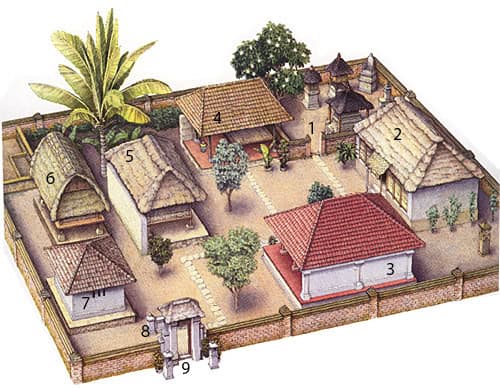
Balinese homes are compounds, not single buildings. Each structure has a specific purpose:
-
Sanggah: family shrine
-
Bale Daja: sleeping pavilion
-
Bale Dangin: ceremonial pavilion
-
Paon: kitchen
This Guide to Bali’s Village Layouts and Traditional Architecture highlights that materials are traditionally natural—bamboo, teak wood, volcanic stone, and thatch—chosen for climate comfort and spiritual symbolism.
With a Bali private tour service, you can visit villages where families still maintain traditional compounds and even enjoy local food prepared in a traditional paon.
Best Villages to Experience Traditional Architecture
Some villages stand out for travelers interested in architecture and culture:
-
Penglipuran Village – famously clean and symmetrical
-
Tenganan Village – Bali Aga village with ancient layouts
-
Sidemen Villages – traditional compounds amid rice fields
Exploring these places is much easier with a local driver. Many guests booking through a trusted
👉 Bali private tour service
combine village visits with waterfalls, temples, and scenic viewpoints for a full Bali daily tour experience.
Why Explore Villages with a Private Driver in Bali
This Guide to Bali’s Village Layouts and Traditional Architecture would be incomplete without practical travel advice. Village locations are often spread across rural roads, making public transport impractical.
Benefits of a private driver Bali service include:
-
Door-to-door convenience
-
Local explanations of customs and architecture
-
Flexible timing for ceremonies or photo stops
-
Comfortable air-conditioned travel
A hire driver Bali option is especially valuable if you want to explore respectfully, as local drivers understand village etiquette.
Combining Village Tours with Bali Daily Tours
Many travelers choose to blend cultural exploration with leisure. A well-designed Bali day trip might include:
-
Morning visit to a traditional village
-
Lunch overlooking rice terraces
-
Afternoon temple or beach stop
This approach aligns perfectly with this Guide to Bali’s Village Layouts and Traditional Architecture, ensuring you experience culture without feeling overwhelmed.
Image Gallery
Local Travel Tips from a Bali Expert
-
Dress modestly when entering villages or temples
-
Always ask before photographing homes or ceremonies
-
Travel early in the morning for cooler weather and quieter villages
-
Choose a Bali tour service that prioritizes cultural respect
These tips will help you apply what you learn from this Guide to Bali’s Village Layouts and Traditional Architecture in real-life travel situations.
Conclusion
Exploring villages brings Bali’s soul to life. This Guide to Bali’s Village Layouts and Traditional Architecture shows that architecture here is not just design—it’s a living tradition shaped by spirituality and community.
To experience these villages comfortably and authentically, consider booking a Bali car charter with driver or a customized Bali tour package. Travel with a knowledgeable local driver, move at your own pace, and discover Bali beyond the surface.
Book your Bali private tour or car charter today and experience traditional Bali the right way — with comfort, insight, and local expertise.