
To pace your Bali trip properly, group attractions by region, limit daily driving to 3–4 hours, schedule one major highlight per day, and allow buffer time for traffic and rest. Bali looks small on the map, but travel between areas can be slow, so smart route planning prevents exhaustion and wasted vacation time.
Bali has a way of seducing you into overplanning.
You open Google Maps and think, “Oh, everything looks close.”
You build a schedule with waterfalls, temples, beach clubs, rice terraces, and volcano views — all in three days.
Then reality hits. Traffic. Heat. Stairs. Crowds. Long return drives in the dark.
If you’re wondering how to pace your Bali trip, you’re already ahead of most travelers. This guide will help you design a trip that feels energizing — not exhausting.
Why Travel Fatigue Happens in Bali

1. Distances are misleading
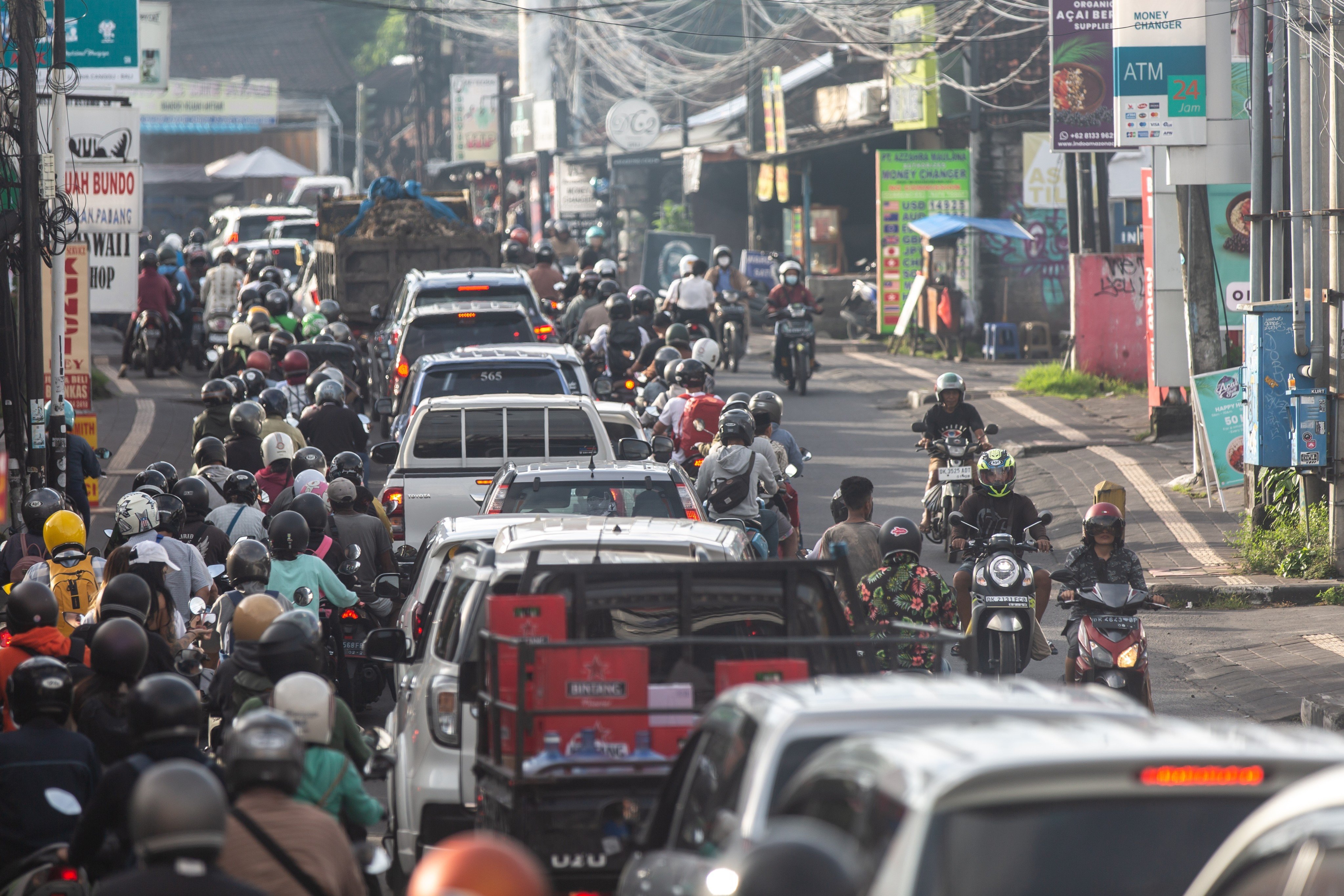
Bali is small geographically, but roads are narrow and often congested. A 25 km drive can take 1.5 hours.
2. Climate drains energy
Humidity, sun exposure, and stairs at temples and waterfalls add up quickly.
3. Overambitious itineraries
Trying to see Ubud, Uluwatu, and North Bali in two days is one of the most common planning mistakes.
Step 1: Divide Bali by Regions (Not Attractions)
The biggest secret to avoiding burnout?
Plan by zones, not bucket lists.
Main Tourist Regions:
-
Ubud – Rice terraces, waterfalls, temples
-
Uluwatu – Cliffs, beaches, sunset temples
-
Canggu – Surf vibe, cafes
-
Seminyak – Shopping, beach clubs
-
North Bali – Waterfalls, dolphins
Trying to cross between these regions daily causes fatigue.
Smart Strategy:
Stay 2–3 nights per region instead of changing locations every day.
Step 2: Follow the “One Anchor Highlight Per Day” Rule
Instead of planning five attractions per day:
Choose one main highlight, then 1–2 smaller stops nearby.
Example (Ubud Day):
-
Anchor: Tegallalang Rice Terrace
-
Add-on: Coffee plantation
-
Optional: Short waterfall stop
This pacing keeps energy balanced.
Step 3: Respect Bali Traffic Timing


Traffic patterns matter more than distance.
Expect heavier traffic:
-
4:30 PM – 7:30 PM
-
Around sunset beach areas
-
Near ceremonies
Many tourists rely fully on ride apps and get stuck waiting for return cars in rural areas. In remote waterfalls or temple zones, pickups are inconsistent.
For multi-stop days, many travelers arrange a private driver not for luxury — but for flexibility and guaranteed return transport.
https://balibelin.com/private-car-rental-bali
Step 4: Schedule “Light Days” Between Heavy Days
Example of poor pacing:
Day 1: Mount Batur sunrise hike
Day 2: North Bali waterfalls
Day 3: Uluwatu sunset + Kecak
That’s three high-energy days in a row.
Instead:
Day 1: Volcano hike
Day 2: Spa + cafe + short temple visit
Day 3: Travel to next region
Your body will thank you.
Step 5: Understand Realistic Daily Drive Limits
A comfortable Bali day usually includes:
-
3–4 hours total driving
-
3–4 stops maximum
-
Lunch break
-
Return before dark
Anything beyond that becomes rushed.
People Also Ask
How many days do you need in Bali?
Minimum 5 days for a relaxed trip.
7–10 days is ideal to explore multiple regions without rushing.
Is Bali tiring?
It can be if you underestimate travel time. Smart planning makes it relaxing.
Should I change hotels often in Bali?
No. Frequent hotel changes increase fatigue. Choose 2 base areas instead.
Is it better to self-drive or hire a driver?
Self-driving is possible but traffic, unfamiliar roads, and parking stress can add fatigue. Many travelers prefer a driver for longer or multi-stop days.
What’s the biggest Bali itinerary mistake?
Trying to visit North Bali and Uluwatu in one day.
A Sample 7-Day Balanced Bali Plan
Days 1–3: Ubud Base
-
Rice terraces
-
Waterfall half-day
-
Temple visit
-
Relaxation time
Days 4–5: Uluwatu
-
Cliff beaches
-
Uluwatu Temple sunset
-
Slow beach mornings
Days 6–7: Seminyak or Canggu
-
Beach clubs
-
Shopping
-
Casual exploration
This structure reduces cross-island driving.
For official destination overviews, you can also refer to the Indonesia Ministry of Tourism website for regional highlights.
Cultural Timing Matters Too
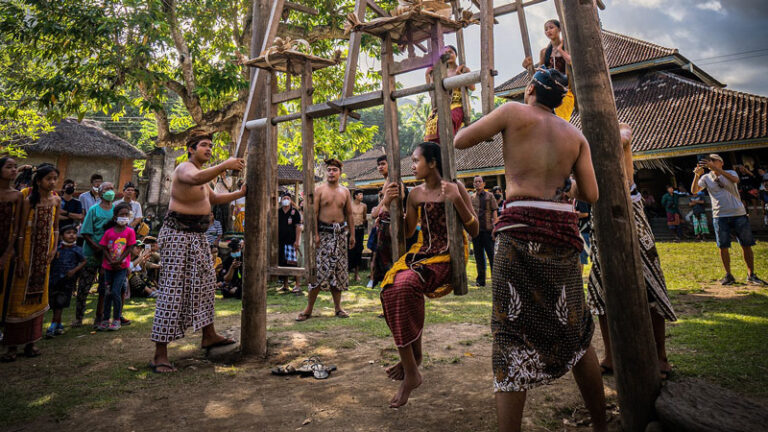
Bali is not just a tourist island — it’s deeply ceremonial.
During major ceremonies:
-
Roads may close temporarily
-
Traffic slows significantly
-
Temple access may be restricted
Allow flexibility in your plan. This is another reason rigid hourly itineraries rarely work well here.
Transport Strategy That Reduces Stress
There are three common transport styles:
1. Ride Apps
Good for short urban transfers.
Less reliable for rural or return pickups.
2. Self-Drive
Flexible but stressful in traffic and narrow roads.
3. Private Driver
Best for:
-
Full-day exploration
-
Multi-stop routes
-
Remote waterfalls
-
Ceremony day traffic
-
Families or elderly travelers
Many readers exploring balibelin.com are simply trying to understand which transport style fits their trip rhythm — not necessarily looking for luxury.
It’s about conserving energy so you enjoy the destination instead of surviving it.
Signs You’re Overplanning
-
You’re waking up before sunrise every day
-
You have no free afternoons
-
You’re crossing the island repeatedly
-
You feel anxious about timing
Vacations shouldn’t feel like logistics projects.
The Bali Rhythm Mindset
Bali moves differently.
Ceremonies happen.
Traffic flows unpredictably.
Rain appears suddenly in the mountains.
The best trips leave room for:
-
Long lunches
-
Unexpected viewpoints
-
Quiet temple moments
-
Spontaneous coffee stops
If you truly want to know how to pace your Bali trip, the answer isn’t about squeezing more in.
It’s about designing space between experiences.
And often, that starts with planning routes realistically and choosing transport that supports flexibility rather than restricting it.
Because the real Bali isn’t rushed.
It unfolds slowly — if you let it.