
To stay comfortable during full-day travel in Bali, plan realistic routes, avoid peak traffic hours, wear light breathable clothing, stay hydrated, schedule rest breaks, and choose reliable transport. Many travelers find that having a flexible private driver makes long days smoother and less exhausting.
A full day exploring Bali sounds dreamy — waterfalls in the morning, temples at noon, sunset by the sea.
But here’s the truth: Bali is not a small, quick-hop island.
Full-day travel in Bali can mean winding mountain roads, unexpected traffic, ceremony detours, and tropical humidity. The difference between an amazing day and an exhausting one often comes down to how well you prepare.
Let’s break down how to do it right.
Understand Bali’s Real Travel Timing
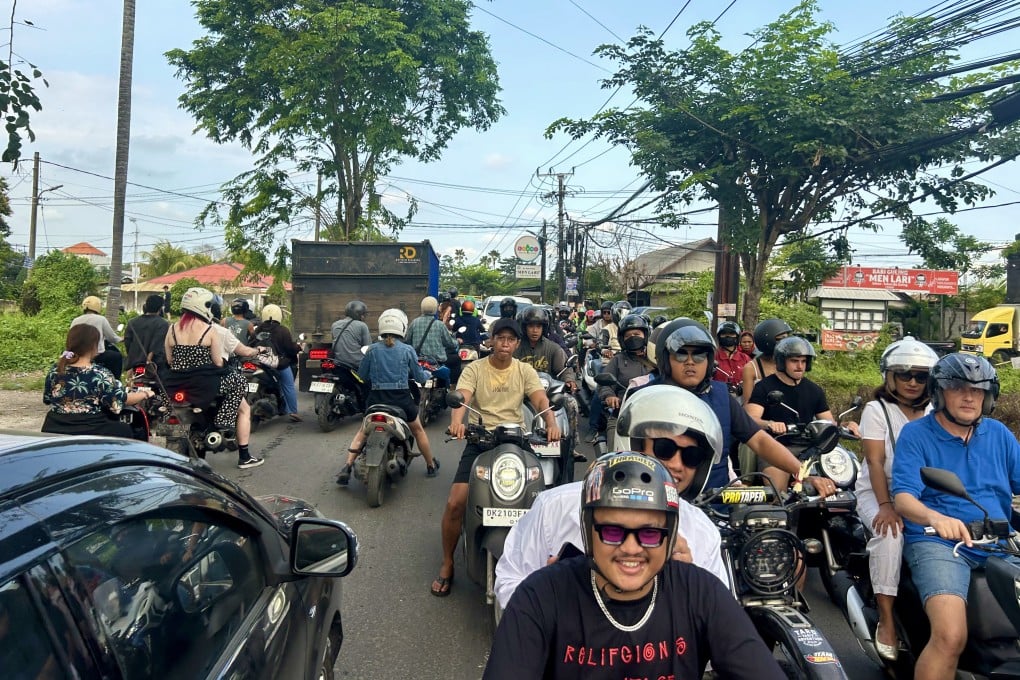


Many tourists assume 30 kilometers equals 30 minutes.
In Bali, that’s rarely the case.
What affects travel time:
-
Narrow two-lane roads
-
Motorbike congestion
-
Village ceremonies
-
Delivery trucks on mountain routes
-
Sudden rainstorms
Example:
-
Ubud to Uluwatu → up to 2.5 hours
-
Canggu to Lempuyang Temple → 3+ hours
When planning a full-day itinerary, keep stops within the same region when possible.
https://balibelin.com/bali-travel-route-planning
Choose the Right Transport for Long Days
Transport choice heavily impacts comfort.
Ride-Hailing Apps
Good for short trips.
Less ideal for:
-
Multi-stop itineraries
-
Mountain regions
-
Early morning departures
Drivers may cancel long-distance requests.
Scooter
Flexible but tiring for 6–8 hours in heat.
Not ideal for:
-
Families
-
Wet season
-
Long mountain drives
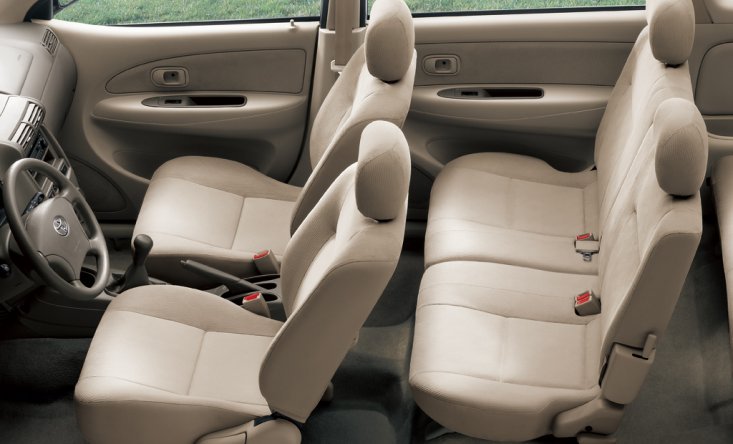
Private Driver for the Day
This is why many travelers prefer hiring a driver for full-day travel in Bali.
Benefits:
-
Air-conditioned comfort
-
Flexible stops
-
Safe luggage storage
-
Local traffic knowledge
-
No parking stress
It’s not about luxury — it’s about reducing decision fatigue and physical exhaustion.
How Bali Private Drivers Adjust Trips for Weather and Road Conditions
Dress for Bali’s Climate (Even in the Mountains)



Bali is humid and warm year-round.
Smart clothing tips:
-
Light breathable fabrics
-
Loose cotton or linen
-
Comfortable walking shoes
-
Sunglasses + hat
If visiting highland areas like Mount Batur, bring a light jacket for early morning chill.
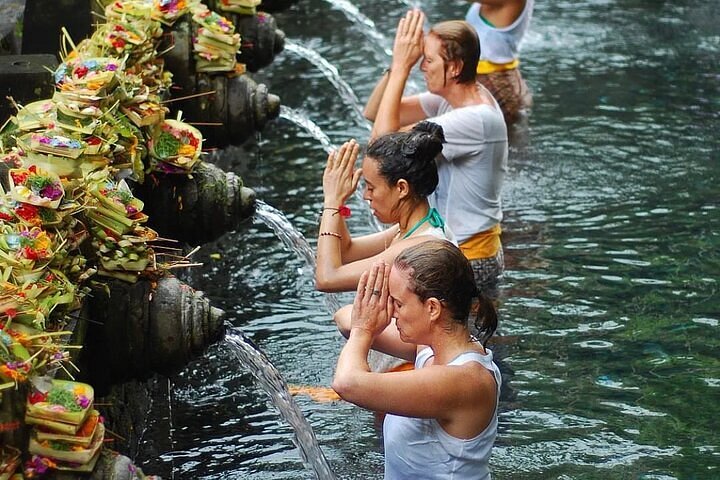
Temple visits require modest dress. At places like Tirta Empul, you must wear a sarong — often provided at entrance.
Comfort and respect go hand in hand.
ihttps://wikitravel.org/en/Bali
Plan Your Stops Strategically
One common mistake tourists make:
Trying to see everything in one day.
A realistic full-day plan usually includes:
-
3–4 major stops
-
1 scenic viewpoint
-
1 relaxed lunch break
-
Optional coffee or snack stop
Packing too many destinations leads to:
-
Rushed photos
-
Missed meals
-
Stress over timing
Bali rewards slower exploration.
Stay Hydrated and Eat Smart


Dehydration is common among first-time visitors.
Tips:
-
Carry a refillable bottle
-
Drink coconut water
-
Avoid heavy fried meals midday
-
Eat earlier than usual
Skipping meals to “save time” often leads to afternoon fatigue.
A comfortable full-day travel experience includes proper rest and nourishment.
Expect the Unexpected (Ceremonies & Road Closures)
Bali is deeply spiritual.
Ceremonies happen daily in villages across the island. Roads may temporarily close for processions.
This isn’t a disruption — it’s part of life here.
Local drivers usually know alternate routes or understand timing patterns. Visitors unfamiliar with village layouts can easily lose an hour navigating detours alone.
People Also Ask
How long is a full-day tour in Bali?
Typically 8–10 hours depending on distance and traffic.
Is Bali traffic really that bad?
In tourist hubs like Canggu and Seminyak, yes — especially between 3pm–7pm.
Can I visit Ubud and Uluwatu in one day?
Technically yes, but it’s exhausting. Better to split into separate days.
Do I need AC in Bali transport?
Highly recommended for long days due to humidity.
Is it better to stay central to attractions?
Yes. Staying closer to your planned region reduces travel fatigue.
Build a Comfortable Daily Structure
Here’s a balanced full-day framework:
Morning (7–10am)
Start early. Visit main attraction before crowds.
Midday (11am–2pm)
Lunch + shaded activity (temple, café, indoor spot).
Afternoon (3–5pm)
Scenic drive or waterfall.
Sunset (6pm)
Beach or clifftop view near your accommodation.
Spacing activities prevents burnout.
When a Private Driver Makes the Biggest Difference
There are specific situations where comfort and logistics matter most:
-
Long-distance travel (East Bali, North Bali)
-
Sunrise departures (2–3am pickups)
-
Multi-stop temple days
-
Traveling with elderly family
-
Rainy season road conditions
-
Airport transfer after full-day touring
Many visitors initially plan to “figure it out day by day.” After experiencing traffic once, they often switch to booking a driver for full-day trips.
It simplifies everything.
Not because Bali is difficult — but because Bali is dynamic.
Real Scenario: Two Travelers, Two Experiences
Traveler A:
-
Books random ride apps
-
Changes cars 4 times
-
Waits 30 minutes for pickup
-
Arrives late to sunset
Traveler B:
-
Plans regional route
-
Uses same driver all day
-
Adjusts stops based on traffic
-
Enjoys relaxed sunset dinner
Both visit the same island.
One feels rushed.
One feels immersed.
Small Comfort Details Most People Forget
-
Bring small change for parking fees
-
Keep sunscreen accessible (not buried in luggage)
-
Use a small day bag
-
Take short walking breaks
-
Charge your phone fully before departure
Comfort often comes from preparation, not price.
Final Thoughts: Travel Smart, Not Fast
Full-day travel in Bali can be incredibly rewarding.
You’ll see volcanoes, rice terraces, hidden temples, beaches, and village life — all in one day if structured well.
The key isn’t squeezing more in.
It’s planning realistically, respecting timing, staying hydrated, and choosing transport that supports flexibility rather than limits it.
If you’re designing your Bali itinerary, balibelin.com provides region-by-region guidance to help you map comfortable, efficient travel days — without rushing through the island.
Bali isn’t meant to be conquered.
It’s meant to be experienced — comfortably.