Planning Bali routes that allow more time at each stop means grouping destinations by area, understanding real driving times, and avoiding backtracking. Bali looks small on a map, but traffic, ceremonies, and road conditions can turn short distances into long journeys if routes aren’t planned realistically.
If you’ve ever looked at a Bali map and thought, “That looks close enough,” you’re not alone. This is one of the most common planning mistakes travelers make on the island.
Bali is compact geographically, but it doesn’t function like a big city with highways and predictable travel times. Routes that seem efficient on Google Maps often don’t reflect real conditions on the ground. The result? Rushed sightseeing, time lost in traffic, and days that feel more exhausting than enjoyable.
Smart route planning is one of the biggest differences between a stressful Bali trip and a relaxed one where you actually have time to enjoy each place.
Why Route Planning Matters More in Bali Than Most Destinations
Bali’s charm lies in its villages, landscapes, and slow cultural rhythm — but that rhythm doesn’t always match tourist expectations.
Here’s what affects travel time in Bali:
-
Narrow village roads with two-way traffic
-
Frequent religious ceremonies that temporarily close streets
-
School zones and local markets
-
Limited alternative routes if there’s congestion
-
Coastal roads that slow dramatically at peak hours
A 25 km drive can take:
-
45 minutes early morning
-
1.5–2 hours mid-day
-
Even longer during ceremonies or holidays
This is why planning Bali routes properly is more important than packing many attractions into one day.
The Biggest Mistake Tourists Make When Planning Bali Itineraries
The most common mistake is mixing destinations from different regions in one day.
Example of a rushed plan:
-
Ubud
-
Tanah Lot
-
Uluwatu
-
Jimbaran sunset dinner
On a map, it looks doable. In reality:
-
You’ll spend more time in the car than at the temples
-
Sunset timing becomes stressful
-
You arrive tired, not inspired
A better approach is area-based routing, where each day focuses on one region of Bali.
How to Group Bali Destinations by Area (Smart Route Strategy)
Central Bali (Ubud & Surroundings)
Best for:
-
Rice terraces
-
Water temples
-
Cultural sites
-
Short scenic drives
Ideal stops to combine:
-
Ubud town
-
Tegallalang Rice Terrace
-
Tirta Empul
-
Gunung Kawi

South Bali (Uluwatu, Jimbaran, Nusa Dua)
Best for:
-
Clifftop temples
-
Beaches
-
Sunsets
-
Seafood dinners
Route tip:
Plan one or two major stops, not five. Traffic builds fast in the afternoon.
East Bali (Sidemen, Tirta Gangga, Lempuyang)
Best for:
-
Quiet landscapes
-
Mount Agung views
-
Traditional villages
This region rewards slower travel and early starts.
North Bali (Lovina, waterfalls)
Best for:
-
Dolphin watching
-
Waterfalls
-
Cooler climate
This area is not suitable for short day trips from South Bali if you want meaningful time.
How Many Stops Per Day Is Realistic in Bali?
A good rule of thumb:
-
Half-day tour: 2–3 nearby stops
-
Full-day tour: 3–4 stops max (same region)
-
Long-distance routes: Fewer stops, more buffer time
More stops doesn’t mean more experiences. It usually means more rushing.
Real Travel Timing Reality (What Google Maps Doesn’t Tell You)
Google Maps is useful, but it doesn’t account for:
-
Temple ceremonies
-
Sudden rain slowing mountain roads
-
School traffic hours
-
Road offerings and local processions
Locals plan with time buffers, not tight schedules. This mindset alone changes how relaxed your day feels.
This is why many travelers choose flexible transport instead of fixed schedules, especially when visiting multiple locations in one day.
https://balibelin.com/bali-transport-guide
When a Private Driver Makes Route Planning Easier
There are moments when route planning becomes stressful if you’re self-driving or hopping between ride apps:
-
Multi-stop days
-
Long-distance trips (East or North Bali)
-
Early sunrise or late-night returns
-
Areas with limited ride availability
Many visitors eventually realize that having a driver who understands local timing, shortcuts, and ceremony schedules saves hours over a week-long trip — without turning the day into a rigid tour.
Not surprisingly, this is why private car with driver remains one of the most practical ways to explore Bali comfortably.
https://balibelin.com/private-driver-bali
People Also Ask About Planning Bali Routes
Is Bali easy to travel around on your own?
Yes, but distances take longer than expected. Planning routes by area and allowing buffer time is essential.
Can you do Ubud and Uluwatu in one day?
It’s possible but rushed. You’ll spend more time driving than exploring.
What’s the best way to plan a Bali itinerary?
Group destinations by region, limit stops per day, and consider real traffic conditions.
Is it better to stay in one base or move hotels?
For trips longer than 5–6 days, changing bases can reduce travel time significantly.
Why Bali Travel Runs on “Local Time”
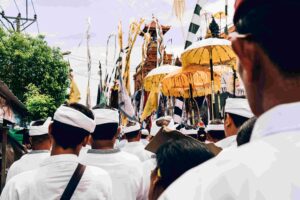
Bali doesn’t operate on strict schedules. Ceremonies take priority, and community events come first. Roads may close without notice — and locals accept this as part of life.
Travelers who plan with flexibility enjoy Bali more than those trying to “optimize every minute.”
This cultural reality is often missed in typical itinerary blogs but makes a huge difference on the ground.
Practical Route Planning Tips From Local Experience
-
Start early for long drives
-
Avoid crossing regions mid-day
-
Plan sunset spots as final stops
-
Keep one “open buffer” slot each day
-
Don’t underestimate rural travel time
If you’re unsure how long a route really takes, checking local travel guides like balibelin.com often gives more realistic context than generic maps.
https://balibelin.com/bali-itinerary-planning
Less Distance, More Experience
The best Bali trips aren’t the ones that visit the most places — they’re the ones where travelers remember moments: sitting longer at a temple, enjoying lunch without watching the clock, or taking a spontaneous detour.
Planning Bali routes that allow more time at each stop isn’t about doing less. It’s about experiencing more of what makes Bali special.
And once you plan routes realistically, the island feels slower, friendlier, and far more rewarding.