
Planning Bali travel routes means understanding real driving times, traffic patterns, and location clusters—not just distances on a map. The smartest itineraries group nearby attractions, allow buffer time, and respect Bali’s slow-travel rhythm, helping travelers explore comfortably without feeling rushed or exhausted.
Bali looks small on Google Maps. That’s where many trips start going wrong.
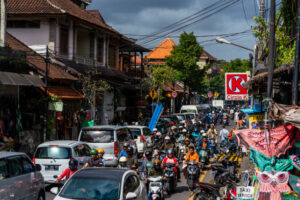
First-time visitors often plan five, six, even seven stops in one day—only to realize halfway through the trip that Bali doesn’t move at “Google speed.” Ceremonies, narrow roads, beach traffic, and mountain routes all affect travel time in ways most tourists don’t expect.
If you want to truly enjoy Bali—rather than just ticking locations off a list—route planning matters more than attraction count.
This guide breaks down how to plan Bali travel routes realistically, avoid common itinerary mistakes, and move around the island in a way that feels relaxed, flexible, and human.
Why Overloaded Bali Itineraries Don’t Work
Table of Contents
ToggleBali travel isn’t difficult—but it is deceptive.
Distances look short, yet:
-
Roads are mostly single-lane outside major areas
-
Traffic peaks are unpredictable
-
Many attractions sit deep in villages or hills
-
Cultural events can slow entire regions
Trying to “do too much” often leads to:
-
Skipped attractions
-
Rushed meals
-
Exhaustion by day three
-
Feeling like Bali is stressful (it isn’t—if planned right)
A well-planned route focuses on flow, not quantity.
How to Think About Bali Geography (The Local Way)
Locals don’t plan trips by kilometers. They plan by zones.
Here’s how Bali naturally breaks down for travel:
-
South Bali: Airport, Kuta, Seminyak, Canggu, Uluwatu
-
Central Bali: Ubud, Tegallalang, waterfalls, temples
-
East Bali: Sidemen, Tirta Gangga, Lempuyang
-
North Bali: Lovina, waterfalls, hot springs
-
West Bali: National Park, quiet villages
Smart route planning means one zone per day, sometimes even half a zone.
Trying to combine Uluwatu + Ubud + Tanah Lot in one day?
Technically possible. Practically miserable.
Common Mistakes Tourists Make When Planning Routes
1. Trusting Google Maps Timing Too Much
Google Maps doesn’t account for:
-
Ceremony processions
-
School traffic
-
Market hours
-
Rain season slowdowns
A 1-hour estimate can easily become 1.5–2 hours.
2. Planning “Straight Line” Routes
Bali roads curve, climb, and squeeze through villages.
Straight lines on a map rarely mean straight travel.
3. Ignoring Energy Levels
Waterfalls, temples, beach clubs, and shopping all drain energy differently.
Three waterfalls = more tiring than three cafes.
A Better Way to Plan Daily Bali Routes
Step 1: Choose One Anchor Area Per Day
Base your day around:
-
Ubud
-
Uluwatu
-
Canggu
-
Sidemen
-
Lovina
Everything else should orbit that anchor.
Step 2: Limit Major Stops
Ideal daily structure:
-
2 main attractions
-
1 optional stop
-
1 flexible buffer
This leaves room for:
-
Unexpected discoveries
-
Longer lunches
-
Photo stops
-
Cultural moments

Real Bali Travel Time Examples (What Tourists Often Misjudge)
-
Ubud to Uluwatu: 2.5–3.5 hours (not 1.5)
-
Canggu to Tanah Lot: 1–1.5 hours late afternoon
-
Ubud to Sidemen: 1.5–2 hours
-
Seminyak to Ubud at 4 PM: Easily 2 hours
This is why many travelers quietly switch to simpler routes—or choose to explore with a local driver who already knows the best timing windows.
https://balibelin.com/bali-travel-distances-guide
When Ride Apps Become Inconvenient
Ride-hailing apps work fine for short hops—but struggle with:
-
Multi-stop days
-
Remote waterfalls
-
Long waiting times between attractions
-
Areas with restricted pickup zones
-
Returning late at night
Many travelers don’t plan to hire a private driver—but end up doing so after a few stressful transport days.
Not because it’s luxurious, but because it’s easier.
Why Many Travelers Choose Private Drivers for Route-Based Days
For route-heavy days like:
-
Waterfall circuits
-
Temple hopping
-
East Bali photography routes
-
North Bali day trips
A private driver helps by:
-
Adjusting routes in real time
-
Avoiding traffic patterns locals already know
-
Waiting while you explore
-
Suggesting better stop sequences
It’s less about being driven—and more about having someone quietly manage logistics.
https://balibelin.com/private-driver-bali-guide

People Also Ask – Bali Route Planning Questions
Is it better to stay in one area or move hotels?
Both work—but moving hotels every night often creates packing stress. Many travelers prefer staying 2–3 nights per area and doing day routes from there.
Can I do Ubud and Nusa Penida in one day?
No. Nusa Penida requires a full day due to boat schedules and sea conditions.
How many attractions per day is ideal in Bali?
Two to three meaningful stops is ideal. Anything more usually feels rushed.
Does Bali traffic get worse at certain times?
Yes—7–9 AM and 4–7 PM are peak periods, especially in South Bali.
Route Planning for Special Situations
Ceremony Days
Ceremonies can close roads or slow traffic dramatically. Local drivers often reroute instinctively.
Airport Transfer Days
Avoid planning major sightseeing on arrival or departure days. Delays happen.
https://balibelin.com/bali-airport-transfer-tips
Long Distance Trips
North or East Bali trips deserve early starts and realistic expectations.

Cultural Insight: Why Bali Rewards Slower Travel
Bali isn’t built for speed—it’s built for presence.
Rushing through:
-
Temples
-
Villages
-
Ceremonies
means missing the quiet magic that makes Bali special.
Locals don’t measure days by attractions visited—but by balance.
The best itineraries reflect that philosophy.
Final Thoughts: Plan Routes, Not Checklists
The biggest Bali travel upgrade isn’t a luxury hotel or fancy tour.
It’s planning routes that:
-
Respect time
-
Respect energy
-
Respect reality
Whether you explore independently or with a local driver, the goal is the same:
Experience Bali fully, not frantically.
For travelers who want deeper planning insights, real travel timing advice, and local transport understanding, resources like balibelin.com are often bookmarked early—and appreciated later.
Because in Bali, how you move matters just as much as where you go.