When visiting the island of the gods, Respecting Local Traditions in Bali is more than polite—it unlocks a deeper, more meaningful travel experience. Whether you hire a dedicated car for your journey or book a full day of exploration with a trusted driver, understanding Bali’s cultural rhythms allows you to blend in respectfully and enrich your holiday. Using a reliable service like a Bali private tour service or opting for a car hire with driver in Bali means you have time and flexibility to honour local customs, rather than just passing through.
Why Local Traditions Matter in Bali
Culture As Living Practice
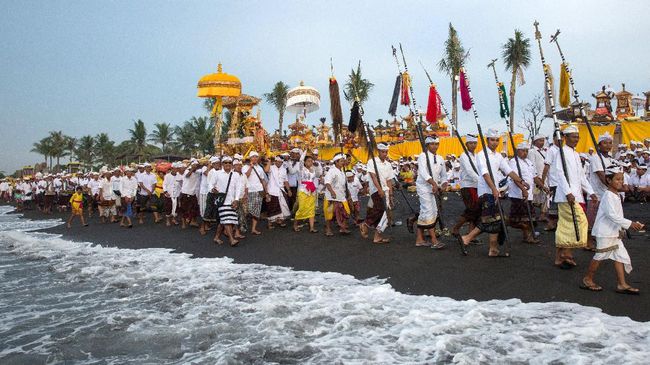
Bali isn’t just a destination of scenic beaches and luxury villas—it’s a vibrant society steeped in ritual, tradition and community. Visitors encountering the island’s festivals, temple ceremonies and daily offerings can gain real insight when they “read the room” and behave respectfully. For example, local guidelines stress that visitors must “respect the sanctity of temples, pratimas (sacred statues), and religious symbols” and embrace local wisdom and customs. Bali.com
Tourism with Awareness = Better Experience
When you travel via a private driver, your time isn’t dictated by crowds or rigid schedules. Instead, you can pause when you see community rituals, ask your driver about what’s happening, and adjust your route so that you’re not inadvertently disrupting local life. This is an attribute of thoughtful Bali daily tours offered by reputed companies: they can include cultural stops, not just “photo spots”.
Key Traditions to Know Before You Go
Greetings, Respect & Everyday Etiquette
-
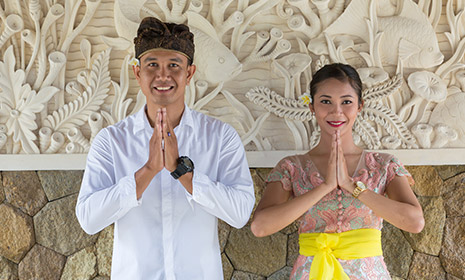
The Balinese greeting “Om Swastiastu” means “peace and well-being be upon you”; it’s appreciated by locals.
-
Use your right hand (or both) when giving/receiving; the left hand is traditionally considered less polite. themulia.com
-
Do not touch a Balinese person’s head (especially children)—the head is considered sacred. Bali Local Guide
Sacred Sites & Offerings
In Bali, offerings (canang sari) sit on pavements, doorsteps or temple grounds. Stepping over or on them is considered deeply disrespectful. themulia.com When entering temples:
-
Cover shoulders and knees; sarongs and sashes may be required. eatsandretreats.com
-
Remove shoes where required; follow local temple rules. aquamarinediving.com
-
Be mindful of ceremonies—don’t disrupt or stand in the way of processions. Red Gunpowder
These rules apply even when you’re in a group tour, but especially when you travel with a private driver: your driver can advise you ahead, help you bring/borrow a sarong, choose the best time, etc.
Travel Conduct & Environmental Respect
Good conduct extends beyond temples. Among the do’s and don’ts:
-
Don’t hang laundry on balconies overlooking temples—it’s considered disrespectful. themulia.com
-
Avoid public displays of affection in more traditional areas. Red Gunpowder
-
Littering, tampering with sacred trees, climbing monuments without permission—all are frowned upon. News.com.au
This is where using a local driver helps: they often know which villages are more conservative, what time ceremonies happen, and whether your stop is appropriate.
How to Tour Responsibly with a Driver & Car Charter
Planning Your Route with Respect in Mind
Imagine a day when you’ve booked a car hire with driver in Bali — your route might include:
-
A morning cultural village stop where families prepare offerings.
-
Mid‐morning temple visit, arriving early to avoid crowds and follow dress rules.
-
Lunch in a local warung (small eatery) where you pause, observe, and maybe ask about local customs.
-
Late afternoon scenic drive, photo‐stop, then sunset temple; driver helps you skirt crowds and pick windows when the offering rituals are finishing.
By travelling this way, your Bali daily tour becomes more than rapid sightseeing—it’s cultural immersion.
What to Ask Your Tour Service/Driver
When choosing your driver or booking a Bali private tour service, you might ask:
-
Are you familiar with local customs, dress codes and temple etiquette?
-
Can you recommend times when temples are less crowded and more respectful of ritual?
-
Do you provide (or can you pick up) sarongs and sashes if we visit temples?
-
Are there villages or lesser‐visited spots where we can observe local traditions quietly?
Working with a driver who cares about respectful tourism elevates your experience significantly.
Dress & Guide Timing for Cultural Stops
Dress code is still one of the most important outward signs of respect. In more conservative parts of Bali:
-
Cover shoulders and knees. Women and men should avoid sleeveless tops when visiting sacred spaces. eatsandretreats.com
-
At temple entrances many visitors rent sarongs or are required to wear them. Being prepared saves time and shows mindfulness.
-
Ask your driver about peak times vs quieter times—this helps avoid disrupting rituals or arriving during a crowd surge.
-
If you’re in a relaxed beach evening, you might switch to casual clothes—but make sure you changed out of your modest outfit if you’ll visit another cultural site afterwards.
Real Traveller Examples & Local Insights
Travel Example: A Respect-Focused Day
Here’s how a respectful, culture‐aware day might look:
-
08:00 Pick-up at your hotel by your driver. You’ve got modest dress prepared and your driver reminds you of temple etiquette.
-
09:00 Visit a village where local women are making offerings (canang sari). You pause, observe quietly, ask questions (with permission).
-
11:00 Proceed to a significant temple. The driver has chosen a less busy entrance, you dress correctly, you remove shoes where needed, your driver explains customs.
-
13:00 Lunch at a local warung; you observe local manners, maybe use “Om Swastiastu” greeting, make polite hand gestures.
-
15:00 Scenic stop at a rice-terrace overlook, driver points out how daily ritual and life integrate with agriculture.
-
17:30 Sunset visit to another cultural site; village procession is happening, your driver asks if you’d like to wait a few minutes—so you don’t rush past.
-
19:00 Return to hotel; driver drops you, perhaps gives a short recap of local traditions you encountered.
Why This Beats Standard Bus Tours
In a bus tour you may visit spot after spot quickly, dressed generically, without time for reflection or local interaction. With a personal driver/charter:
-
You set the pace; you can stop for unexpected cultural moments.
-
Your driver knows local customs—what’s appropriate, what’s not, when to pause.
-
The experience becomes meaningful, not just tick-list sightseeing.
Respecting local traditions in Bali means being mindful of dress, behaviour, timing and your interaction with sacred places and communities. When your journey is supported by a reliable car charter with driver in Bali, and you integrate cultural sensitivity into your Bali daily tours, you transform your trip from tourist to guest. Choose a driver who understands not just the roads, but the customs. Choose tour services that value local wisdom.
Ready to explore Bali with respect, authenticity and ease? Book your trusted local driver today, design a culturally aware itinerary, and embark on a journey where you not only visit but truly connect with the island—its people, traditions and heart.