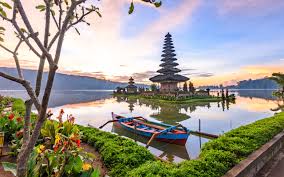
Most visitors to Bali stay close to the beaches of Seminyak, the cliffs of Uluwatu, or the cafés of Ubud. But the scenic inland areas of Bali tell a very different story — one of misty valleys, terraced hills, quiet villages, and winding mountain roads where daily life still moves slowly.
If you’re looking for authentic landscapes, fewer crowds, and a deeper connection to the island, the real Bali often begins inland.
What Are the Scenic Inland Areas of Bali?
Scenic inland areas of Bali are rural regions away from the main tourist centers, featuring mountain villages, rice terraces, forest valleys, waterfalls, and traditional communities. These areas offer quieter landscapes, authentic Balinese culture, and panoramic nature views that many beach-focused travelers miss.
1. Sidemen Valley – Bali Before Mass Tourism


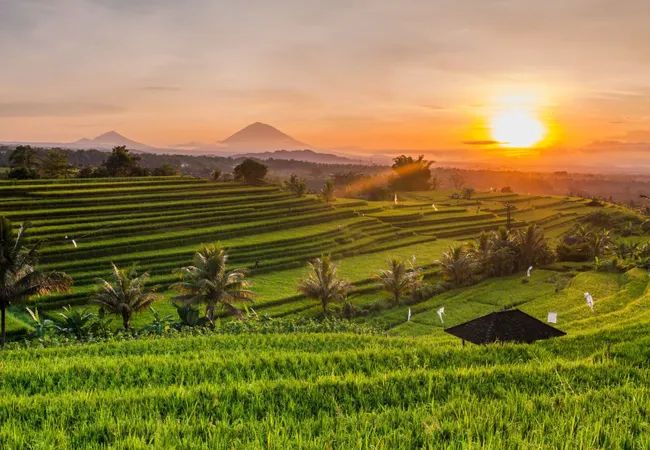
If you ask many locals where Bali still feels untouched, they’ll quietly say Sidemen.
Located in eastern Bali, this valley stretches beneath Mount Agung, with layered rice terraces and rivers cutting through deep green hills.
Why it feels different:
-
No beach clubs
-
No heavy traffic
-
No shopping strip culture
-
Just rice fields, temples, and mountain air
Morning mist here feels cinematic. Farmers still walk through paddies at sunrise. Ceremonies pass through villages without tourist interruption.
Travel reality: Public transport does not operate here. Ride-hailing apps are limited. Most travelers exploring Sidemen either rent a motorbike (experienced riders only) or hire a private car with driver for flexibility — especially if combining with nearby temples or waterfalls.
Private Driver Bali – What It Costs & When You Really Need One
2. Jatiluwih – UNESCO Rice Terraces Without Ubud Crowds
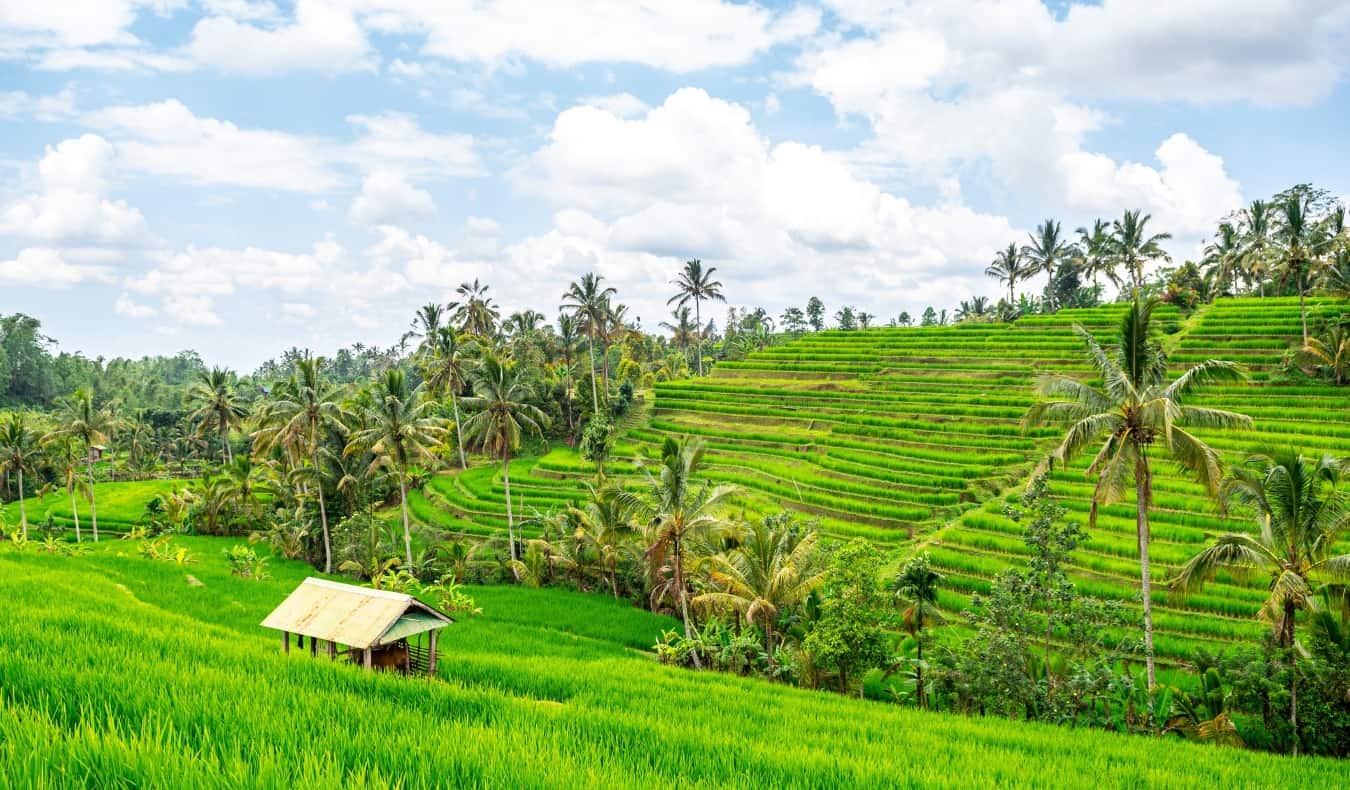

While Tegallalang near Ubud gets most of the attention, Jatiluwih offers something larger, quieter, and more dramatic.
Recognized by UNESCO for its traditional subak irrigation system, Jatiluwih feels expansive and raw.
What makes it special:
-
Wide panoramic rice fields
-
Proper walking trails (not selfie platforms)
-
Cooler highland climate
-
Fewer tour buses
You can walk for hours without aggressive vendors or swing-photo queues.
Many travelers underestimate the distance from southern Bali — it takes around 2 hours from Seminyak or Canggu depending on traffic. This is where understanding real Bali driving times matters. Distances look short on maps but mountain roads slow everything down.
(External reference: https://whc.unesco.org/en/list/1194)
3. Munduk – Highland Lakes and Waterfalls

North Bali feels like another island entirely.
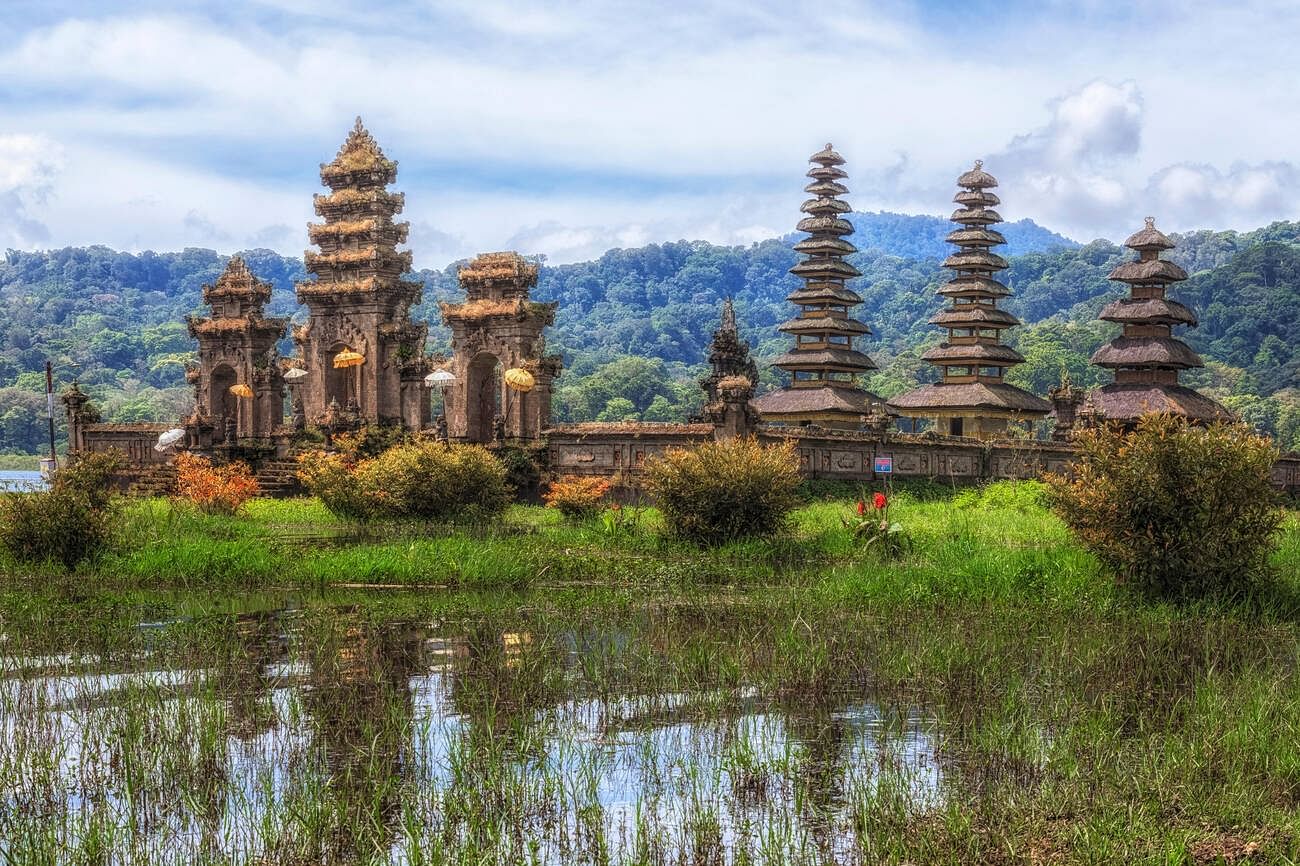
Munduk sits in the highlands overlooking forests, lakes, and coffee plantations. The temperature drops noticeably — especially in the early morning.
Travelers love Munduk for:
-
Waterfall trekking
-
Coffee farms
-
Lake viewpoints
-
Peaceful guesthouses
But here’s what many tourists misunderstand: North Bali requires planning. Attractions are spread out. Roads are narrow and winding. After sunset, lighting is minimal in some areas.
If you’re combining Munduk with Ulun Danu Temple or twin lakes viewpoints, a flexible driver helps maximize daylight and reduce fatigue.
(Suggested Internal Link: https://balibelin.com/bali-car-hire-with-driver)
4. Bangli Highlands – Quiet Views Near Mount Batur
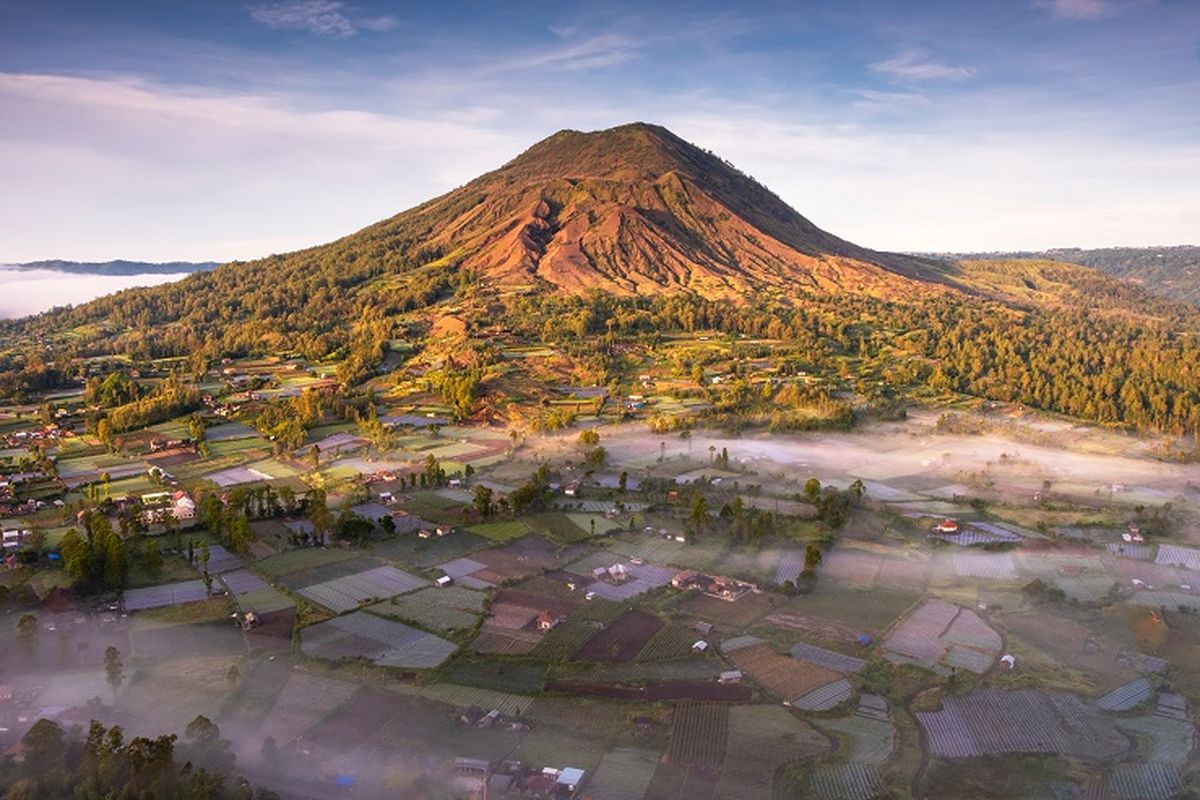
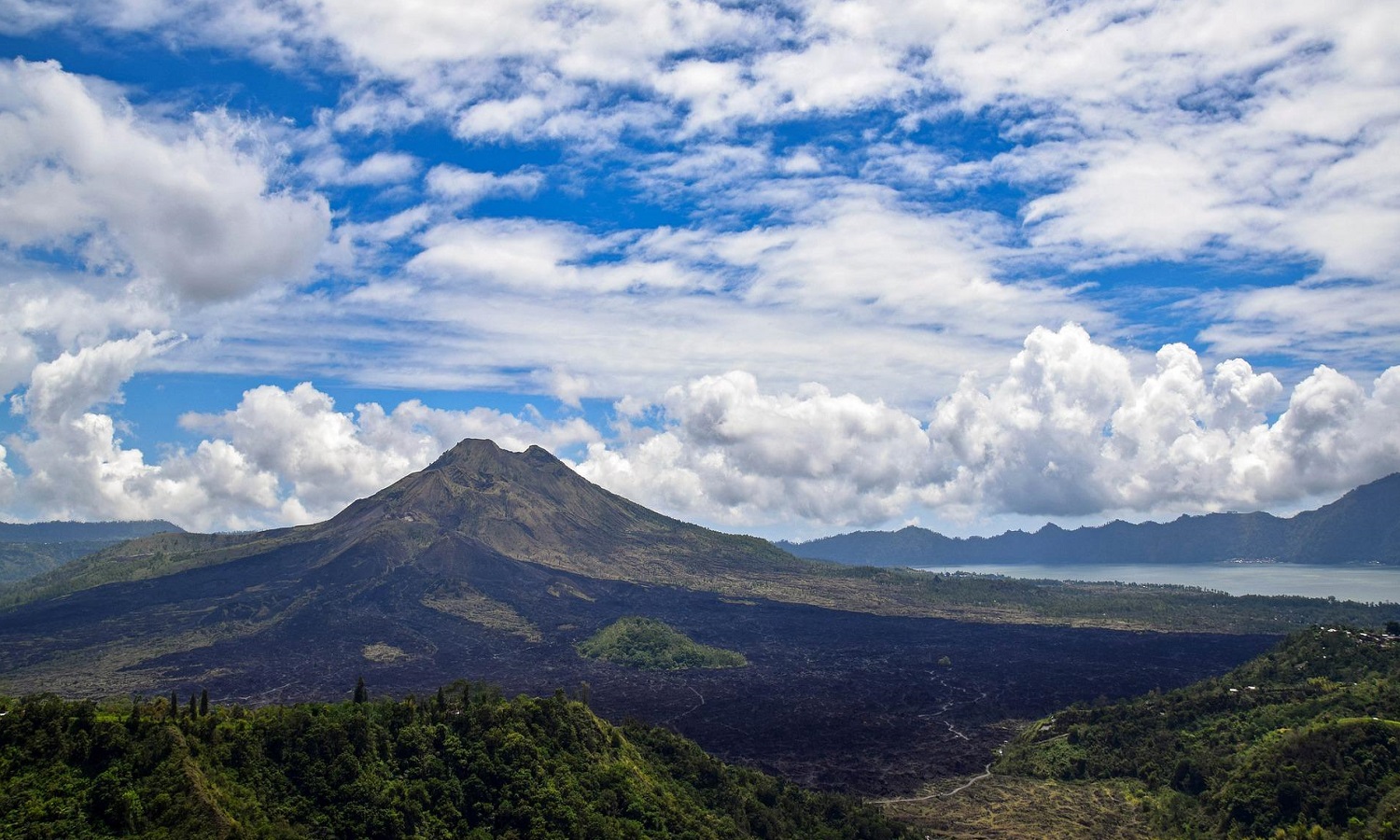
Most visitors go straight to Kintamani viewpoint, take photos of Mount Batur, then leave.
But the Bangli highlands around it offer peaceful villages and dramatic caldera views without heavy café rows.
Here you’ll find:
-
Traditional compounds
-
Roadside fruit markets
-
Cool mountain breezes
-
Less commercialized scenery
Sunrise drives through this region can feel surreal — clouds sitting below the mountain rim.
Transport tip: Early morning trips require reliable timing. Ride apps rarely operate consistently at 4–5 AM in highland areas. Many sunrise visitors arrange private transport the day before to avoid last-minute cancellations.
5. Tenganan Village – Preserved Ancient Bali
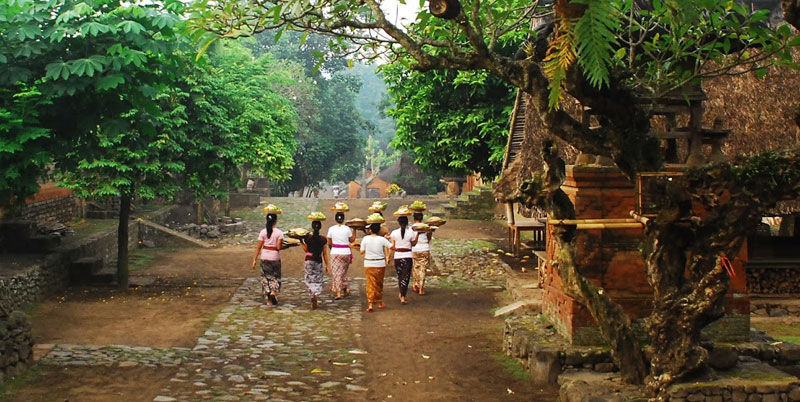
Not all scenic inland areas are about landscapes — some are cultural landscapes.
Tenganan is one of Bali’s oldest Bali Aga villages, preserving traditions predating Majapahit influence.
Inside, you’ll notice:
-
Unique architectural layout
-
Traditional weaving (Geringsing double ikat)
-
Ceremonies not commonly seen elsewhere
It’s important to visit respectfully. These are living communities, not museums.
Private Driver Bali Cost 2026 – Real Prices & Hidden Fees Explained
Why Most Tourists Miss Inland Bali
There are three main reasons:
1️⃣ Beach-first itineraries
Travel blogs heavily promote coastal areas.
2️⃣ Transport uncertainty
Visitors worry about how to reach remote areas.
3️⃣ Time underestimation
Google Maps does not reflect Bali traffic realities.
Inland Bali is rarely walkable. Attractions are scattered. Roads can be steep, narrow, or foggy at night.
That’s why many travelers exploring multiple inland locations prefer a private driver for the day — not as a luxury, but as a practical solution for navigation, parking, local insights, and flexible stops.
People Also Ask
Is inland Bali worth visiting?
Absolutely. Inland Bali offers cooler weather, authentic villages, rice terraces, waterfalls, and cultural depth that beach areas cannot provide.
How far are inland areas from Seminyak or Canggu?
Most scenic inland areas are 1.5 to 3 hours away depending on traffic and elevation. Travel time often matters more than distance.
Can I use Grab or Gojek in rural Bali?
Coverage becomes limited in highland or remote regions. Availability and return trips are not always guaranteed.
Is it safe to drive yourself inland?
Confident motorbike riders can manage short routes, but mountain roads, weather changes, and early morning visibility can be challenging for first-time visitors.
When a Private Driver Makes the Most Sense
Certain travel situations make flexible transport especially helpful:
-
Multi-stop countryside routes
-
Waterfall + temple combinations
-
Sunrise mountain trips
-
Ceremony-day traffic changes
-
Families traveling with luggage
-
Long north Bali day trips
Many experienced travelers eventually realize that Bali’s charm lies in spontaneity — stopping at roadside fruit stalls, scenic overlooks, or hidden temples along the way.
Having a knowledgeable local driver often turns a simple transport day into a richer travel experience.
Balibelin.com provides detailed travel planning insights and practical guidance for exploring these lesser-known areas without rushing.
Planning Tips Before Exploring Inland Bali
✔ Start early (6–7 AM departure ideal)
✔ Carry small cash for village parking fees
✔ Dress modestly for temple visits
✔ Bring light rain gear in highland regions
✔ Plan fuel stops if self-driving
And most importantly — allow buffer time. Inland Bali is not about ticking boxes. It’s about moving slower.
The Real Bali Is Often Inland
The beaches will always be beautiful.
But the inland landscapes — the mist over rice fields, the echo of temple bells in mountain villages, the quiet roads with no beach clubs — that’s where many travelers feel Bali most deeply.
If your itinerary has space for one full day away from the coast, consider heading inland.
You may return with fewer photos for Instagram — but far richer memories.