Small cultural sites in Bali include quiet village temples, traditional compounds, hidden water temples, and lesser-known heritage villages that offer intimate insight into Balinese Hindu life. Unlike major tourist landmarks, these places provide peaceful atmospheres, authentic ceremonies, and deeper cultural understanding without large crowds.
When people think of Bali, they imagine dramatic cliffs, beach clubs, and iconic temples packed with visitors.
But the real soul of Bali often lives in smaller places.
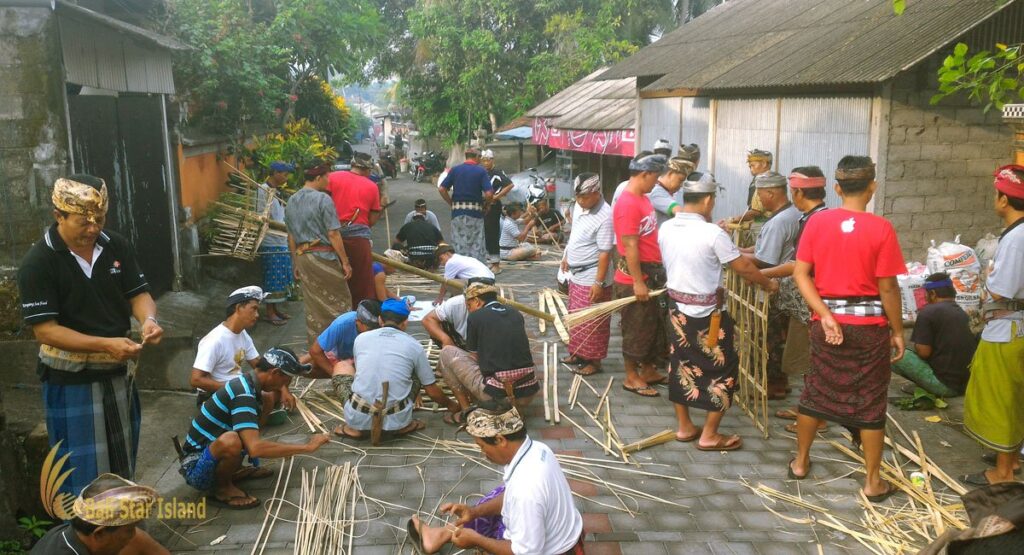
Not the famous postcard spots — but the quiet village temple with morning incense smoke drifting into the air. The family compound where offerings are prepared at sunrise. The ancient water shrine tucked behind rice fields.
These small cultural sites in Bali may not trend on social media — but they often leave the strongest impression.
Why Smaller Cultural Sites Feel More Meaningful


Large temples like Besakih Temple are magnificent.
But smaller temples feel personal.
Here’s why:
-
Fewer crowds
-
Real daily worship activities
-
More interaction with locals
-
Quieter atmosphere
-
Authentic village setting
Visitors often tell me they remember the small unexpected temple they discovered on a side road more than the famous landmarks.
1. Pura Gunung Kawi Sebatu – Peaceful Water Temple
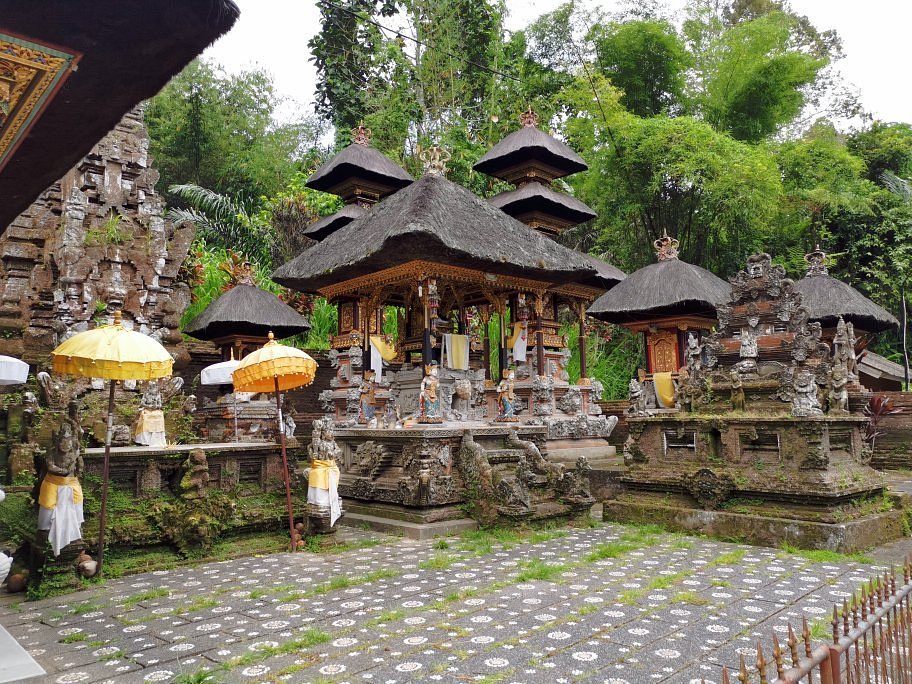

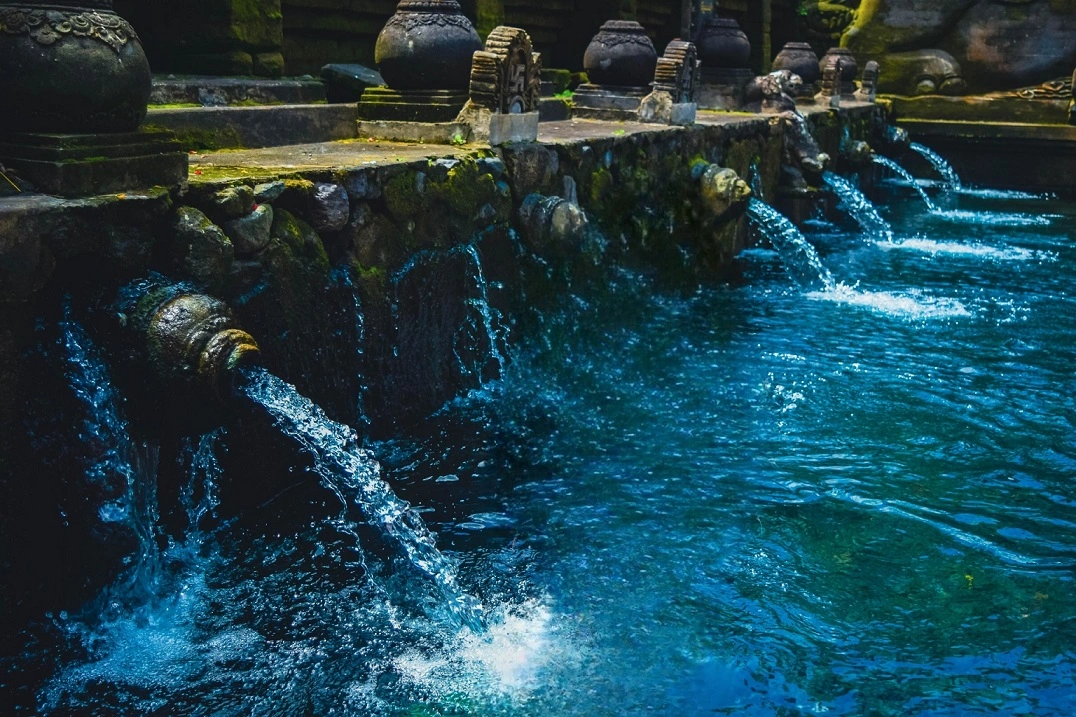
Pura Gunung Kawi Sebatu is often confused with the larger Gunung Kawi site.
This one is smaller, calmer, and beautifully maintained.
What makes it special:
-
Clear spring water pools
-
Lush garden setting
-
Fewer tour buses
-
Serene atmosphere
It offers a quieter alternative to the more visited Tirta Empul.
Best time: early morning before 10am.
2. Penglipuran Village – Traditional Layout Preserved
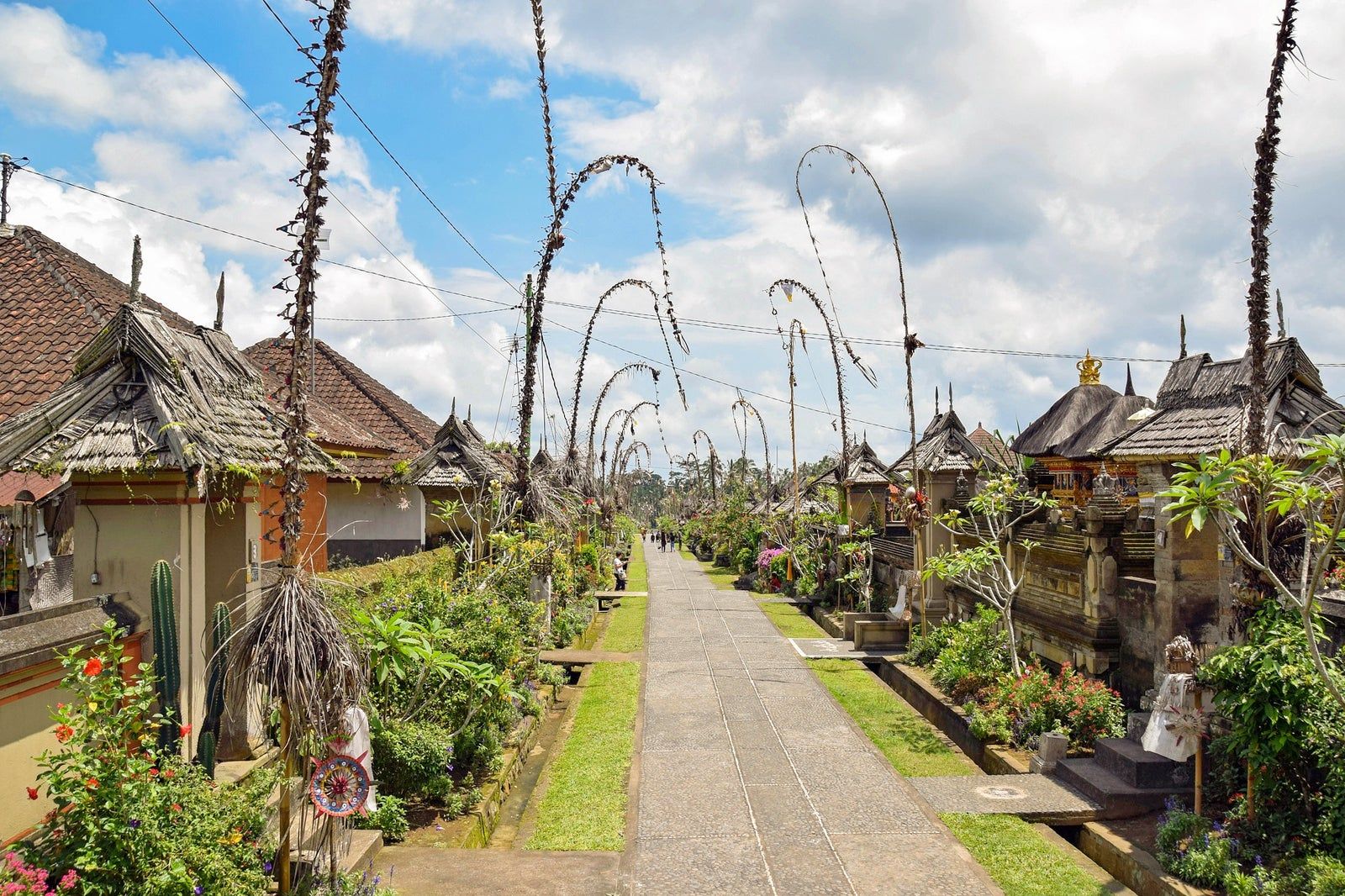


While it’s becoming more popular, it still feels intimate compared to Bali’s major temples.
Highlights:
-
Uniform traditional gates
-
Clean stone pathways
-
Bamboo forest walk
-
Insight into daily family compounds
It’s an excellent stop when exploring East Bali.
3. Pura Taman Ayun’s Quiet Corners


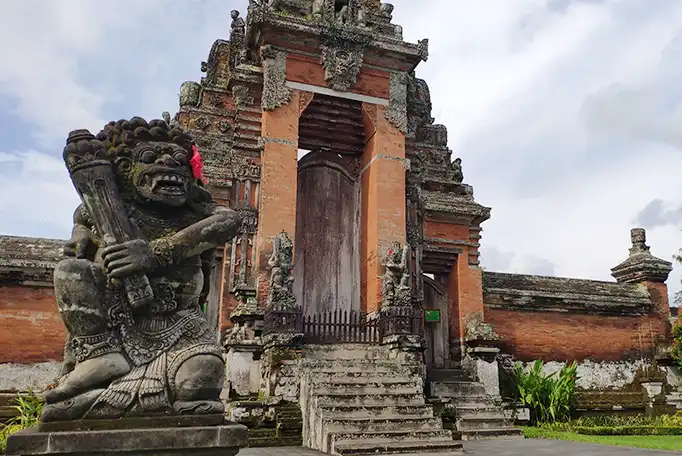
Most visitors rush through Taman Ayun Temple.
But if you walk slowly along the outer moat and gardens, you’ll notice peaceful sections rarely crowded.
Built in the 17th century, this royal temple offers:
-
Multi-tiered meru towers
-
Expansive water gardens
-
Calm walking paths
Early morning visits make a huge difference.
4. Hidden Village Temples in Ubud’s Surroundings
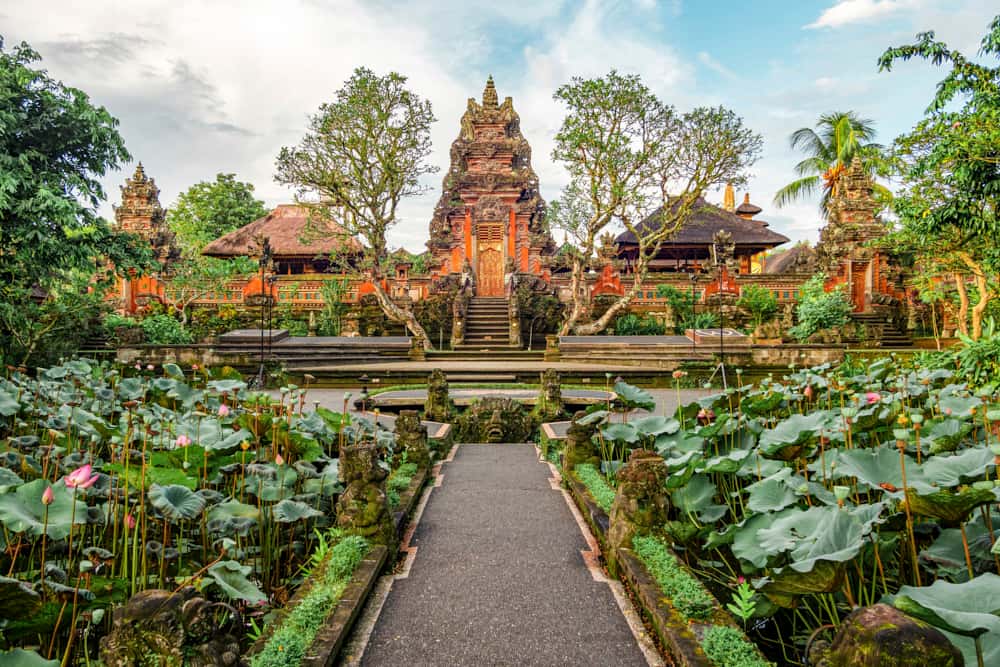
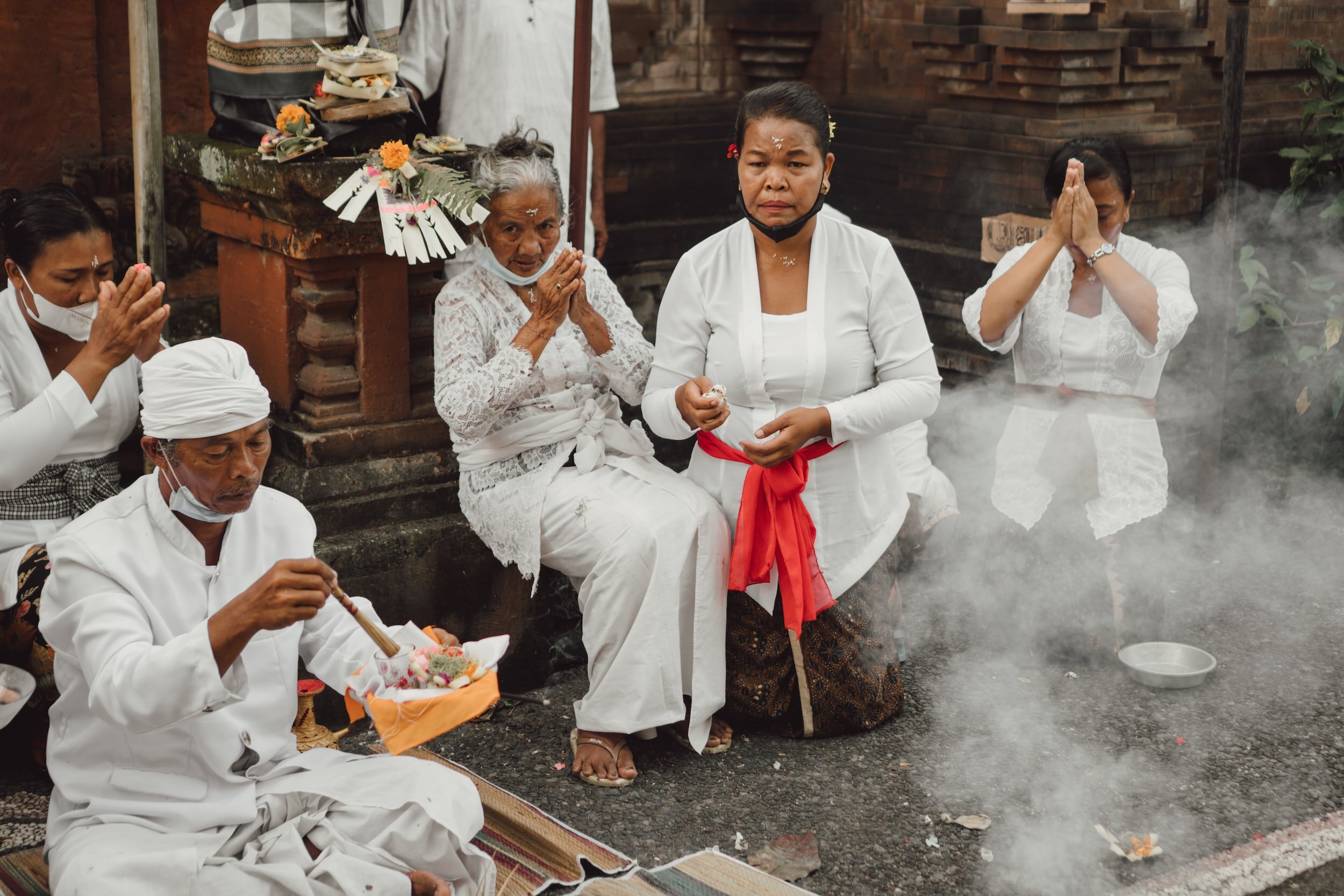
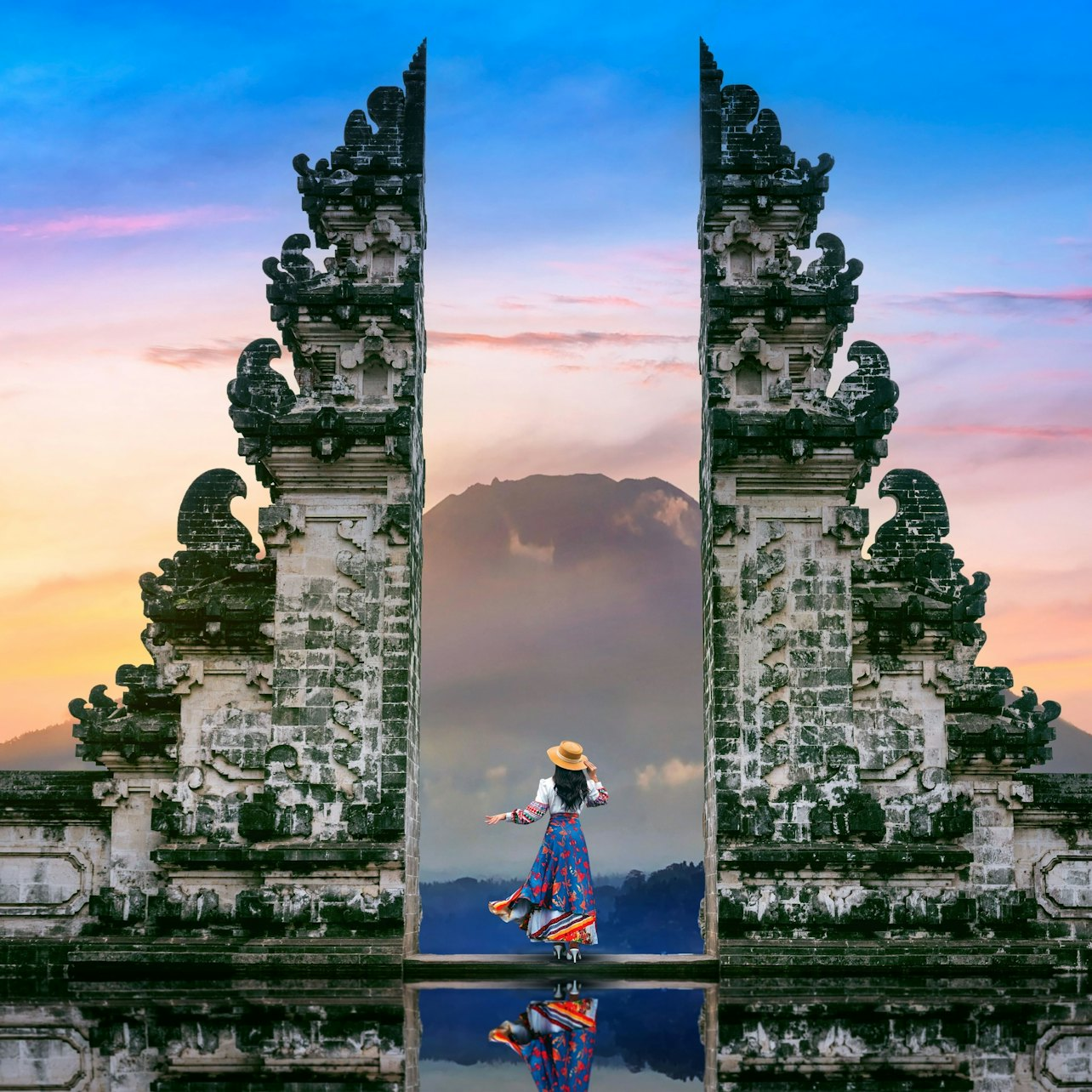
Drive just 15–20 minutes outside central Ubud and you’ll see small temples nestled among rice fields.
These are not attractions.
They are living spiritual spaces.
If you visit respectfully:
-
Wear a sarong
-
Speak quietly
-
Avoid intrusive photography
Sometimes you may witness preparation for ceremonies — an unforgettable cultural insight.
Many travelers discover these places while exploring with local drivers who know smaller village routes.
Private Driver Bali – Complete Guide, Prices & Local Insights
Common Mistakes When Visiting Small Cultural Sites
1. Dressing Inappropriately
Even small temples require modest clothing.
2. Expecting Tourist Facilities
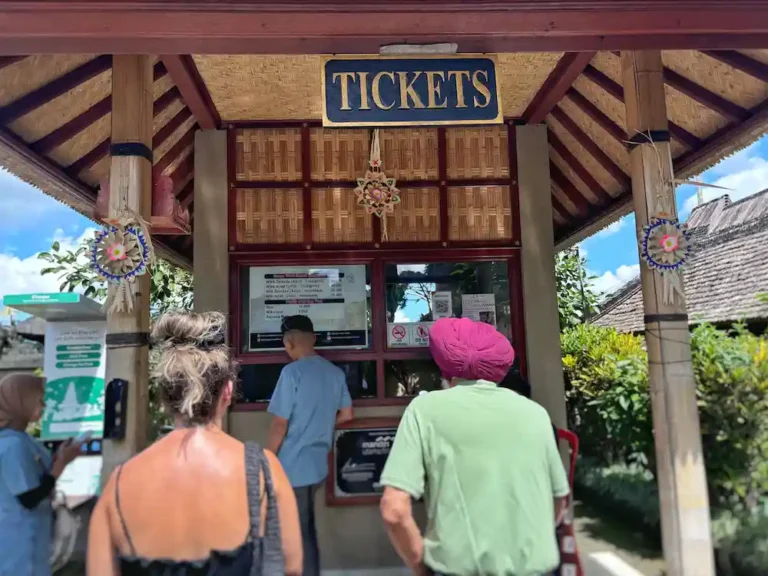
Many village temples don’t have ticket booths or restrooms.
3. Interrupting Ceremonies
If a ritual is happening, observe quietly from a respectful distance.
4. Overpacking the Day
Small cultural sites are best experienced slowly.
People Also Ask
Are small temples in Bali open to tourists?
Many are, but access depends on ceremonies and local customs.
Do I need to pay entrance fees?
Some ask small donations; others are free.
Can I take photos?
Yes, but avoid flash and photographing people without permission.
Are these sites safe?
Yes, but always respect local rules and dress codes.
How do I find hidden cultural sites?
Local guidance or exploring quieter village roads often reveals them.
Why Transport Matters for Cultural Exploration
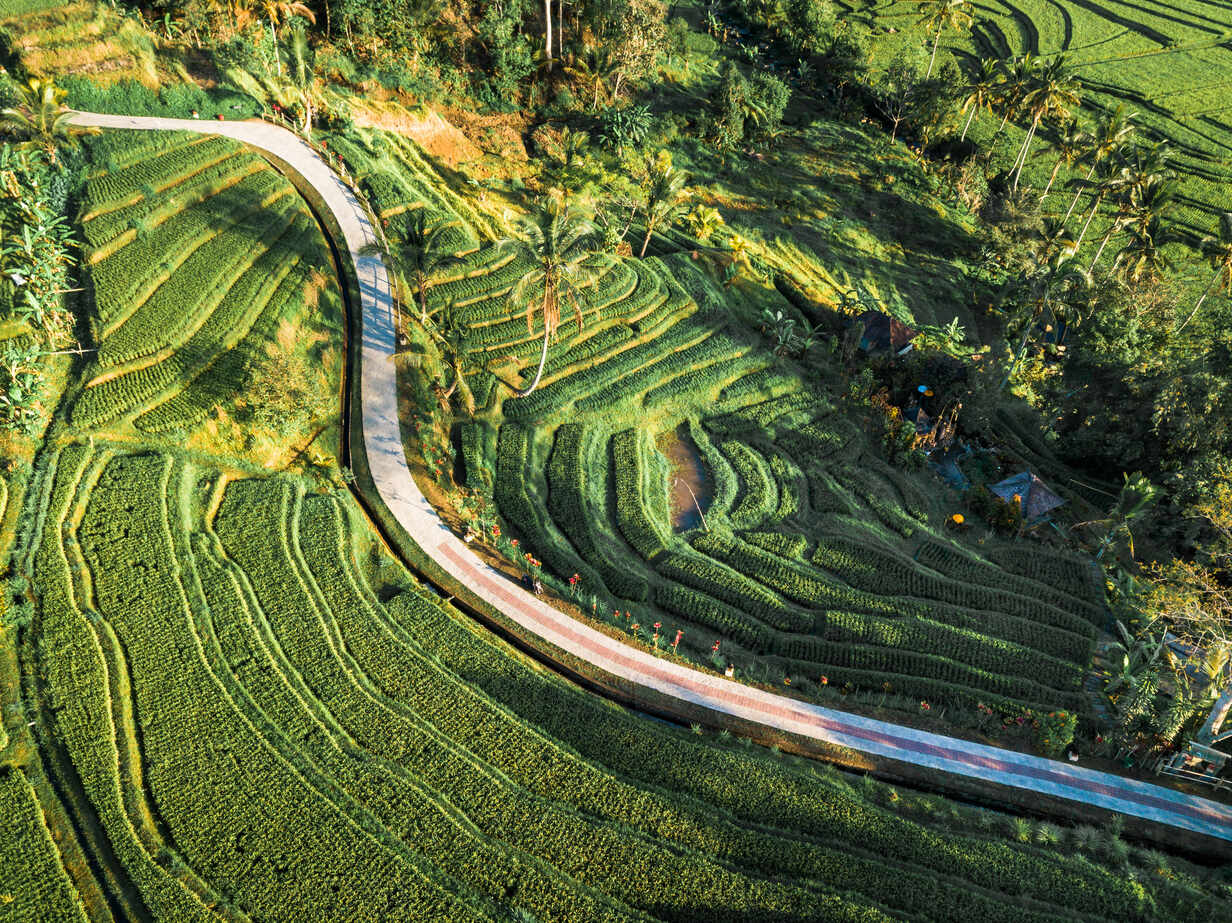

Small cultural sites are rarely located on main tourist roads.
They are often:
-
Down narrow lanes
-
Near rice fields
-
In residential villages
Ride-hailing apps may hesitate to enter rural zones.
This is where flexible transport becomes useful — especially if you’re combining multiple small stops across different villages.
Many visitors choose private drivers for these days because:
-
Waiting time is included
-
Routes can be adjusted
-
You avoid parking issues
-
You gain local context
Not for luxury.
For access and flexibility.
How Private Drivers Support Relaxed Travel for Non-Adventurous Tourists
Real Cultural Insight: Why Smaller Feels Deeper
Bali’s culture isn’t performed for tourists.
It exists daily.
Small temples host:
-
Full moon ceremonies
-
Family rituals
-
Seasonal offerings
You might see children learning prayers.
Elders preparing offerings.
Gamalan music echoing softly in the background.
These moments can’t be scheduled — only stumbled upon.
When Is the Best Time to Visit Small Cultural Sites?
-
Early morning (7–9am)
-
Late afternoon (4–6pm)
Avoid midday heat and large tour groups.
Balinese calendar ceremonies (based on Pawukon cycle) can also influence temple activity.
For official cultural event information, Bali’s provincial tourism website provides updates:
https://disparda.baliprov.go.id/
Building a Cultural-Focused Day in Bali
Example half-day cultural route:
-
Village temple near Ubud
-
Penglipuran Village
-
Lunch with rice field view
-
Quiet water temple visit
This type of day works best when planned regionally to avoid long cross-island travel.
Final Thoughts
Small cultural sites in Bali may not dominate Instagram feeds — but they often shape your deepest memories.
They reveal:
-
Living traditions
-
Spiritual rhythms
-
Community life
-
Architectural heritage
The key is slow travel.
Give yourself time.
Respect the customs.
Stay flexible with your route.
If you’re designing a culture-focused Bali itinerary, balibelin.com offers route planning ideas and transport guidance that help you explore beyond the obvious — and into the real Bali.
Because sometimes, the smallest temples carry the strongest stories.