

If you’re dreaming of weaving through lush rice terraces, witnessing ancient water temples, and experiencing the pulse of Bali’s agrarian heritage — a Subak Irrigation Tour in Bali with Driver Guide is your best choice. With a private driver at your disposal, you can enjoy a comfortable, insightful journey into Bali’s iconic “Subak” system, blending nature, spirituality, and culture on your own schedule. As a Bali travel expert, I recommend this tour especially for travelers seeking more than beaches — for those who want to understand the heart of Balinese life, heritage, and sustainable farming traditions.
Booking a Subak tour with a private car means you get ease, local knowledge, and flexibility. For an all-in-one service, consider using a trusted Bali private tour service for seamless planning and a richer experience.
What is the Subak System and Why It Matters
The term Subak refers to Bali’s traditional irrigation system — an ingenious network of canals, tunnels, weirs, and terraced fields that has supported rice cultivation for centuries. Wikipedia
But Subak is more than just agriculture: it’s a living tradition rooted in harmony between humans, nature, and the divine. The system is built around philosophy, community cooperation, and local spirituality. The water distribution is coordinated collectively among farmers belonging to a Subak association, and irrigation is managed in connection with water temples — combining ecology, community governance, and religious respect. The Travellist Indonesia
In recognition of its cultural, spiritual, and ecological value, Subak has been inscribed by UNESCO under the title Cultural Landscape of Bali Province: the Subak System as a Manifestation of the Tri Hita Karana Philosophy. UNESCO World Heritage Centre
For travelers, the Subak system is a window into Bali’s historical roots — a living heritage rather than a stale museum. A proper Subak tour offers unique insight into the island’s rhythms of water, rice, ritual, and community.
What You Can Expect on a Subak Irrigation Tour in Bali with Driver Guide
A well-organized Subak irrigation tour combines natural beauty, immersive culture, and local knowledge — especially when you hire a “Bali car hire with driver”. Here’s what typical tours offer:
-
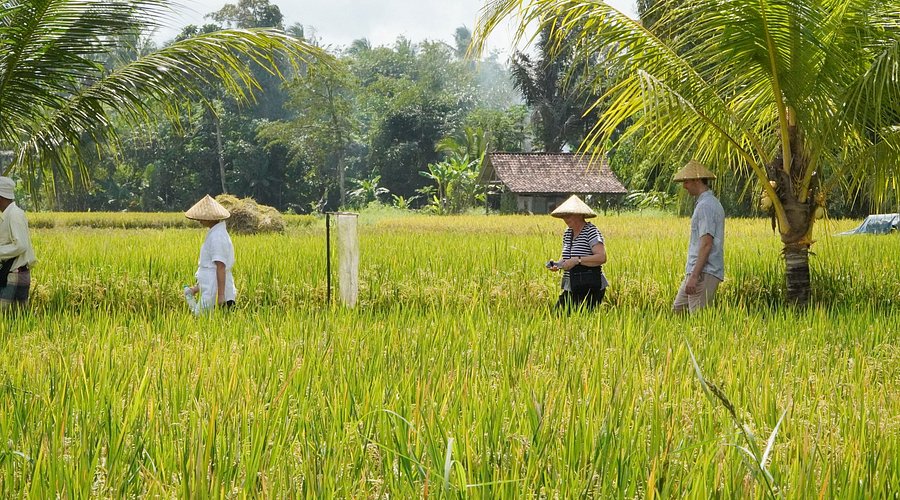
Stunning Rice Terraces: Areas like Jatiluwih Rice Terraces (part of the Subak system) provide sweeping views of tiered paddies cascading down hills — a perfect backdrop for photography, peace, and reflection. Bali.com
-
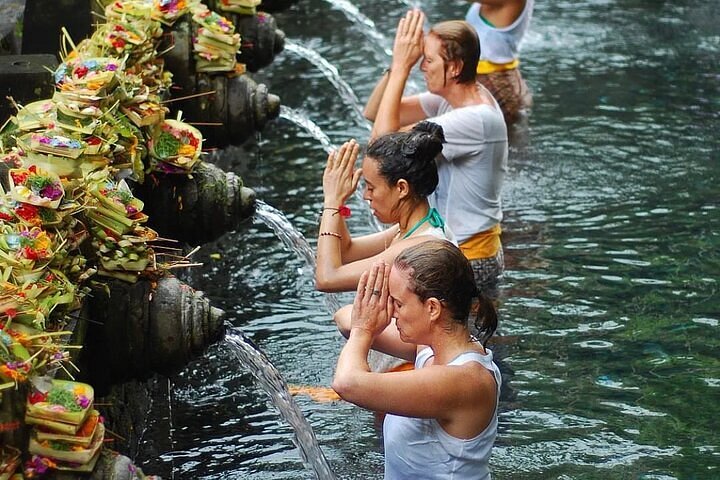
Water Temples & Spiritual Sites: Many Subak landscapes are intertwined with historic water temples (for example, Pura Taman Ayun, and temples linked to upland lakes or springs). Visiting these gives insight into how water, religion, and agriculture are deeply connected in Balinese life. UNESCO World Heritage
-
Local Farming Rituals & Practices: Depending on the season, you may witness or even partake in traditional planting, harvesting, or maintenance rituals. Subak isn’t just infrastructure — it’s an evolving system that still sustains many villages. Indonesia Sentinel
-
Eco-Sustainability and Cultural Context: Subak embodies a sustainable and community-driven way of life. It’s a great way to understand how Balinese people harmonize agriculture, community governance, and spiritual belief in everyday life. Ocean Info
With a private driver, you’ll have the flexibility to explore early morning rice terraces, visit temples at reverent hours, and avoid crowded periods — all with comfort and local insight.
Sample Itinerary: Subak Irrigation Tour in Bali with Driver Guide
Here’s a sample full-day itinerary when you book a Subak tour with a private car and driver guide. This can be adapted based on where you stay (Ubud, Seminyak, Denpasar, etc.) and your personal interests:
-
07:30 AM — Pickup from your hotel or villa by a private, air-conditioned car with English-speaking driver.
-
09:00 AM — Arrive at the rice-terrace region (for instance, Jatiluwih or a lesser-known Subak village). Walk along the terraces, enjoy views, learn about water channels and local irrigation.
-
10:30 AM — Visit a nearby water temple associated with the Subak system — learn about the ritual traditions, water allocation ceremonies, and the spiritual dimension of rice farming.
-
12:00 PM — Lunch at a local warung or small restaurant with terrace view — try local dishes and maybe taste freshly cooked rice from the area.
-
01:30 PM — Continue with a village or countryside ride: maybe stop by fields in use, meet local farmers (depending on season), and observe daily farming life, or take photos.
-
03:00 PM — Optionally visit a small village or farm museum dedicated to Subak (where available) to understand history, tools, methods, and social organization of Subak.
-
04:30 PM — Scenic return drive — perhaps drop by a viewpoint for sunset over terraces or valley.
-
06:00 PM — Return to your accommodation with a deeper understanding of Bali’s cultural landscape and miles of rice-field memories.
This kind of relaxed but fulfilling day — combining nature, culture, learning and ease of travel — is much easier with a reliable driver and private car than trying to self-organize transport and logistics.
Why Private Driver Bali + Bali Car Hire with Driver Makes This Tour Special
Trying to reach Subak terraces using public transport or ride-hailing may be difficult — ricefield zones are often remote, roads can be narrow, and rural areas may lack frequent public transport. Here’s why hiring a private car with driver is superior:
-
Comfort & stress-free transport: Air-conditioned car, guaranteed pickup and drop-off, no carrying heavy equipment, waiting in heat, or navigating unfamiliar roads.
-
Local knowledge and flexibility: Your driver can suggest the best time for light, visit less-crowded terraces, and help you avoid tourist-heavy spots — giving you a more authentic experience.
-
Time management and convenience: You cover multiple sites in one day — terraces, temples, villages — without the need to coordinate buses, taxis, or multiple ride-hails.
-
Cultural respect and guidance: Drivers familiar with local customs can advise you on proper behaviour — dress modestly if entering temples or respectful farming fields, understand when rituals may be happening, and help you engage respectfully.
Basically, a Subak tour with private driver blends comfort with cultural depth — ideal for travelers who care about authenticity, ease, and meaningful experiences.
Seasonal & Practical Tips for a Great Subak Irrigation Tour in Bali
-
Best time to visit the rice terraces: Early morning (8:00–10:00) is ideal — cool, peaceful, best light for photos. In many terraces (like Jatiluwih), mornings offer the clearest views before clouds and mist roll in. Bali.com
-
Bring rain protection: Highland terraces can get misty or rainy, especially if you’re near mountains — a light raincoat or umbrella helps.
-
Respect local communities: Rice fields are working farms. Avoid stepping in paddies, ask for permission if you want to take close-up photos — especially during planting or harvest seasons.
-
Check the farming calendar: Subak communities may be doing rituals, planting, or harvesting — ask your driver if there are any ceremonies or field work that visitors might observe. Some tours may even allow visitors to participate or observe respectfully. Indonesia Sentinel
-
Support local economy: Eat at local warungs, buy rice directly from farmers if available, or participate in guided walks — it helps sustain communities that maintain the Subak tradition.
Real Travel Example: A Subak Experience with Local Driver Guide
A couple I recently helped plan a “Subak Irrigation Tour in Bali with Driver Guide” stayed in Ubud. Early one morning, their driver collected them and drove west toward the rice-terraced highlands. On arrival, they walked slowly along the terraces, watched water flow through narrow channels, and saw farmers preparing fields using traditional tools.
Next, the driver guided them to a nearby water temple — the smell of incense, the soft sound of water, and small shrines emphasized how water and spirituality converge in Bali. They learned from farmers about how planting dates, water distribution, and community rituals are coordinated — not by machines, but by generations-old Subak associations.
After lunch at a modest local eatery overlooking the fields, they visited a small museum dedicated to Subak heritage, where scale models of canals and terraces illustrated the sophisticated water management system. On the return drive, the couple remarked that they felt they had experienced “rice-field Bali,” not resort Bali — with deeper understanding and respect for the landscape, people, and culture.
This tour wasn’t rushed. With a private car and driver, they set their own pace, lingered longer in quiet corners, and left feeling connected — not just as tourists, but as guests in Bali’s living heritage.
Why Subak Irrigation Tour in Bali with Driver Guide Is More Than a Tour — It’s a Cultural Journey
The appeal of Subak isn’t just scenic — it’s philosophical, communal, sustainable. It’s a system where water flows through centuries-old canals, where temples and rice terraces coexist, where farmers govern water democratically, where rituals meet ecology. UNESCO World Heritage Centre
By choosing a tour that respects this depth — especially with a “Bali car hire with driver” — you’re not just sightseeing. You’re witnessing a living tradition that sustains communities, nourishes land, and sustains identity. You understand how rice feeds people, faith, and culture.
If you want to dive into Bali’s true soul — its land, its people, its rhythms — this kind of tour is among the most authentic experiences you can have on the island.
Book Your Subak Irrigation Tour in Bali with Driver Guide — Here’s What to Look For
When you’re ready to book, keep an eye out for these features to ensure a quality, respectful, and enriching Subak tour:
-
A private, well-maintained vehicle with a courteous, English-speaking driver.
-
Flexible itinerary — you get to decide which Subak landscapes, temples, or terraces you want to visit.
-
Interest and willingness of driver to share local insights: about Subak, farming schedules, water temples, and agrarian culture.
-
Transparency — clear pricing including fuel, driver fee, waiting time, and any entrance or donation fees.
-
Respect for local traditions — avoid disturbing working farms, follow temple etiquette if relevant, and support local farmers respectfully.
For a smooth experience, you may want to book through one of the trusted providers offering Bali day trip or hire driver Bali options.
Conclusion
A Subak Irrigation Tour in Bali with Driver Guide offers more than just beautiful landscapes — it invites you to connect with Bali’s ancient rhythms, communal spirit, and sustainable legacy. With a private driver, you get comfort, flexibility, and local insight, transforming a simple day-trip into a meaningful cultural journey.
If you’re ready to discover Bali beyond beaches and resorts — to walk through emerald terraces, meet communities that have nurtured land and ritual for centuries, and travel with ease — book your Subak tour now. Contact a reliable Bali tour service today and secure your spot for a truly immersive, respectful, and unforgettable Bali day trip.