This Bali travel guide for international tourists covers essential planning tips including visa requirements, transport options, cultural etiquette, safety advice, budgeting, and realistic travel timing. Understanding local logistics — especially traffic, distances, and temple customs — helps visitors enjoy Bali smoothly and avoid common mistakes.
Bali looks small on the map.
Many international visitors assume they can explore the entire island in just a few days. But once you arrive, you quickly realize Bali is not just beaches and palm trees — it’s volcanoes, rice terraces, ceremonies, mountain roads, traffic patterns, and deeply rooted traditions.
If you plan well, Bali is easy and rewarding.
If you underestimate it, it can feel chaotic.
This guide is designed to help you travel smarter.
Where Is Bali and Why Is It So Popular?
Table of Contents
Toggle


Bali is an island province of Indonesia located between Java and Lombok.
It’s globally known for:
-
Tropical beaches
-
Hindu temples
-
Active volcanoes
-
Jungle landscapes
-
Strong spiritual culture
-
Affordable luxury experiences
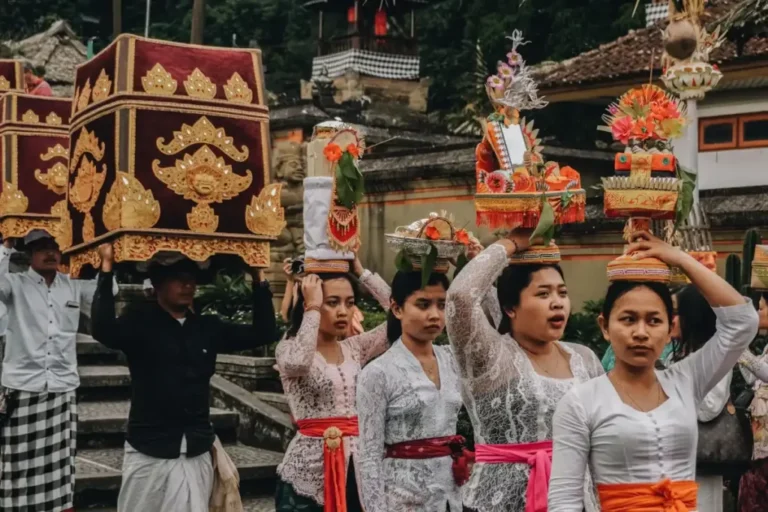
Unlike most of Indonesia, Bali is predominantly Hindu, which shapes daily life, ceremonies, and temple rituals.
Official tourism information can be found via Indonesia’s Ministry of Tourism:
https://www.indonesia.travel/
Visa Requirements for International Tourists
Visa rules can change, so always double-check before departure.
Currently, many nationalities can obtain:
-
Visa on Arrival (VoA) – valid for 30 days
-
Extension possible once for another 30 days
You can verify details via Indonesia’s official immigration website:
https://www.imigrasi.go.id/
Important reminders:
-
Passport must be valid for 6 months
-
Return or onward ticket required
-
Customs declaration completed online
Many travelers search “Do I need a visa for Bali?” — the answer depends on nationality, but most tourists find the process straightforward.
Best Time to Visit Bali
Dry Season (May–October)
-
Less rain
-
Clearer skies
-
Ideal for volcano sunrise and beach days
Rainy Season (November–April)
-
Short tropical downpours
-
Lush green landscapes
-
Fewer crowds
What many blogs don’t mention:
Bali is humid year-round. Even in dry season, afternoons can be hot.
If you’re planning mountain experiences like Mount Batur, early mornings are significantly cooler.
Understanding Bali Transportation (Critical for Planning)
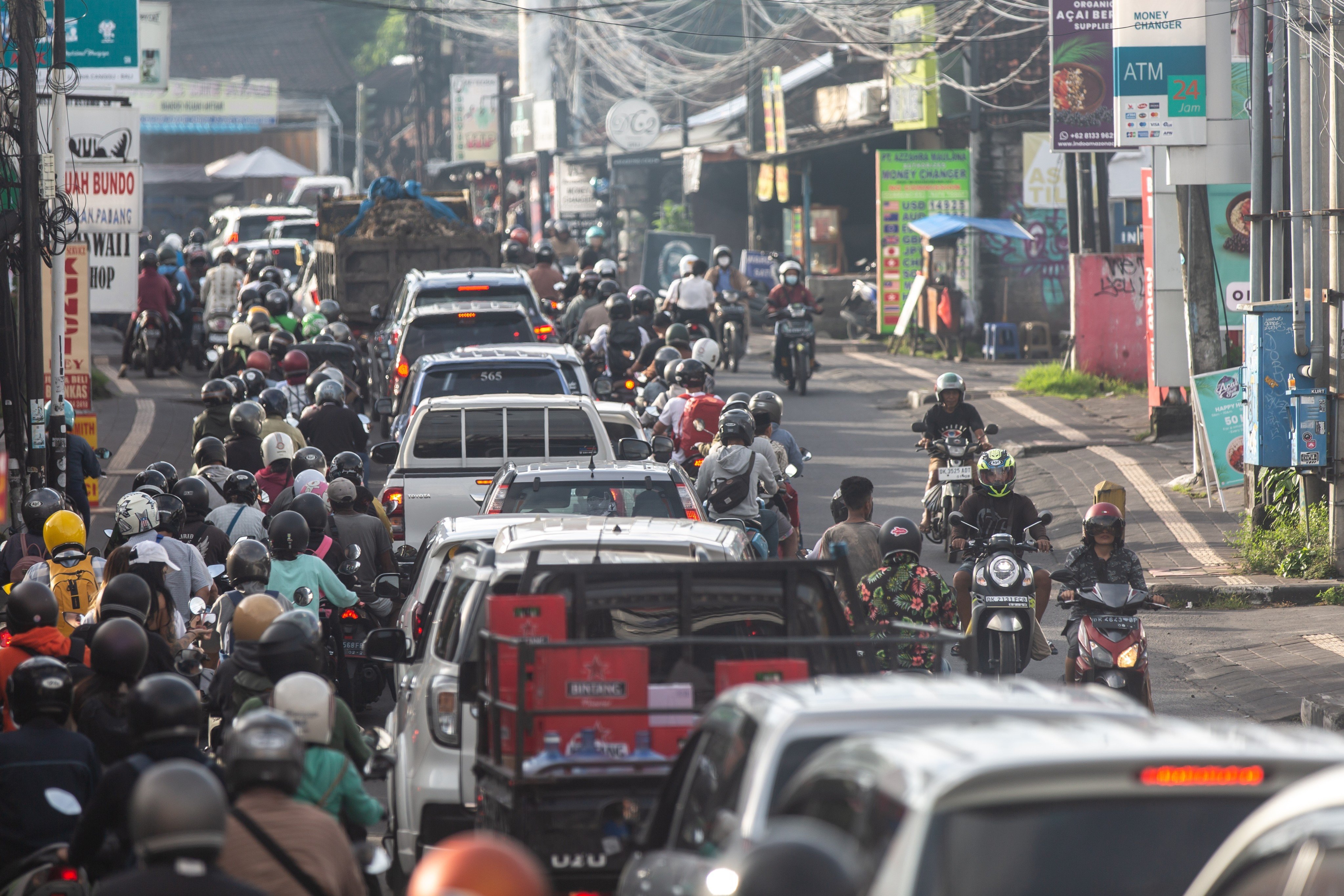

This is where many international tourists miscalculate.
Distances look short. Travel times are not.
Example:
-
Seminyak to Ubud → 1.5 hours
-
Canggu to Uluwatu → 1.5–2 hours
-
Airport to Ubud → 1.5 hours
Transport Options
1. Ride-hailing apps
-
Affordable
-
Sometimes limited in certain areas
-
Early morning pickups can be unreliable
2. Scooter rental
-
Flexible
-
Requires confidence in chaotic traffic
-
Not ideal for long-distance travel
3. Private driver
-
Most common for full-day trips
-
Flexible multi-stop itineraries
-
Comfortable for families or groups
Many experienced travelers choose private drivers in Bali not for luxury — but for efficiency. When you plan waterfall visits, temples, rice terraces, and restaurants in one day, flexibility matters.
https://balibelin.com/bali-private-driver-cost
https://balibelin.com/bali-car-rental-with-driver
Where Should You Stay in Bali?
Bali isn’t one destination — it’s multiple travel styles.
Ubud
-
Jungle
-
Culture
-
Yoga
-
Rice terraces
Seminyak
-
Beach clubs
-
Restaurants
-
Stylish villas
Canggu
-
Surf
-
Digital nomads
-
Cafés
Uluwatu
-
Cliff views
-
Luxury resorts
-
Quiet beaches
Sanur
-
Relaxed
-
Family-friendly
-
Sunrise beach walks
Many tourists try to stay in one location and commute everywhere. That often leads to long travel days.
Smart planning sometimes means splitting your stay between two areas.
https://balibelin.com/destinations
Cultural Etiquette You Should Respect



Bali’s culture isn’t staged for tourists — it’s lived daily.
Basic etiquette:
-
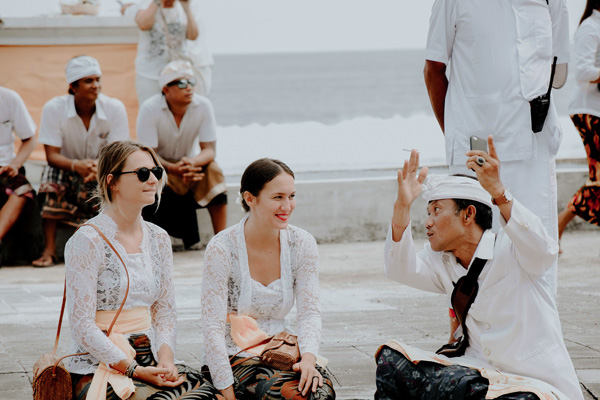
Wear a sarong when entering temples
-
Do not step on daily offerings (canang sari)
-
Dress modestly at religious sites
-
Never climb sacred temple structures
Temple example: Tirta Empul requires proper attire for visitors entering the purification pools.
Understanding cultural respect enhances your experience far more than rushing through Instagram spots.
How Much Does a Bali Trip Cost?
Average daily budget (mid-range traveler):
-
Accommodation: $40–150 per night
-
Food: $10–30 per day
-
Driver for full day: $40–70
-
Activities: $10–50
Bali can be affordable — but transportation and time management influence your real cost.
Trying to save small transport fees can sometimes cost more in lost time and missed experiences.
People Also Ask
Is Bali safe for international tourists?
Yes, Bali is generally safe. Petty theft exists, so basic precautions apply.
Can I drink tap water in Bali?
No. Use bottled or filtered water.
Is Bali expensive?
Compared to Western countries, Bali is affordable. Luxury options increase overall cost.
How many days do I need in Bali?
Minimum 5 days. Ideal 7–10 days to explore multiple regions comfortably.
Do I need cash?
Yes. While cards are accepted in many places, small shops and temples require cash.
Real Travel Timing Reality
Many international tourists plan 6–8 stops per day.
In reality:
-
Traffic builds after 9am
-
Popular waterfalls get crowded by 11am
-
Temple ceremonies may block roads
This is why flexible planning matters.
Local drivers understand:
-
Shortcut routes
-
Ceremony schedules
-
Realistic daily pacing
-
Weather patterns
It’s not about luxury — it’s about smoother logistics.
Airport Arrival Tips

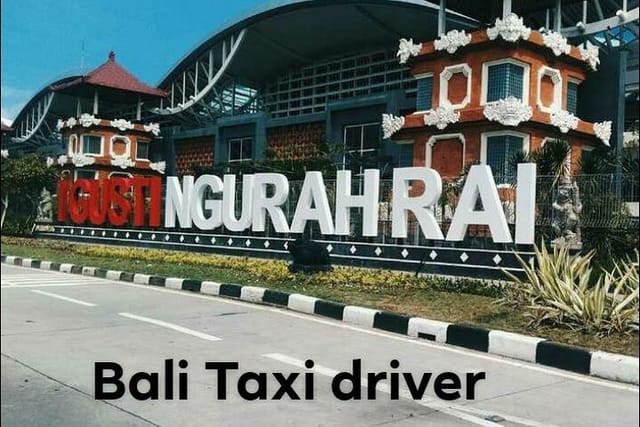
Bali’s main airport is Ngurah Rai International Airport (Denpasar).
Common mistakes:
-
Not arranging pickup in advance
-
Exchanging too much cash at airport rates
-
Underestimating evening traffic
Airport transfers are one situation where having confirmed transport in advance removes stress — especially after long international flights.
Suggested 7-Day Bali Itinerary (Balanced & Realistic)
Day 1 – Arrival + Relax
Day 2 – Ubud rice terraces + temple
Day 3 – Waterfalls + jungle swing
Day 4 – Transfer to Uluwatu + sunset
Day 5 – Beach day
Day 6 – Optional Mount Batur sunrise
Day 7 – Spa + departure
Spacing activities reduces exhaustion.
Travel Bali the Smart Way
Bali rewards slow, thoughtful exploration.
The biggest difference between a stressful trip and an unforgettable one usually isn’t the hotel — it’s transport planning and timing.
International tourists who understand:
-
Realistic travel distances
-
Cultural respect
-
Flexible itinerary structure
-
When to use private drivers
… almost always enjoy Bali more deeply.
If you’re building your itinerary and want region-by-region planning guidance, balibelin.com offers practical travel insights that focus on logistics — not just beautiful photos.
Plan wisely.
Respect the culture.
Leave space in your schedule.
Bali will take care of the rest.