Understanding the Cultural Significance of Bali’s Statues is essential for travelers who want to truly appreciate Bali beyond its beaches and resorts. For many visitors, statues appear everywhere—at temples, crossroads, villages, and even private homes—yet their deeper meanings are often overlooked. Within the first days of exploring the island, you’ll notice that these statues are not just decorations, but sacred symbols connected to Balinese Hindu beliefs, protection, and balance. As a Bali travel expert, I recommend exploring these cultural landmarks with a Bali car charter with driver, allowing you to learn comfortably while moving between temples and villages with ease.
Why Statues Are Central to Balinese Culture
Table of Contents
ToggleIn Balinese Hinduism, statues represent gods, guardians, mythical creatures, and spiritual forces. Understanding the Cultural Significance of Bali’s Statues means recognizing that they are part of daily religious life. Statues are placed at entrances to temples, homes, and even roads to protect spaces from negative energy.
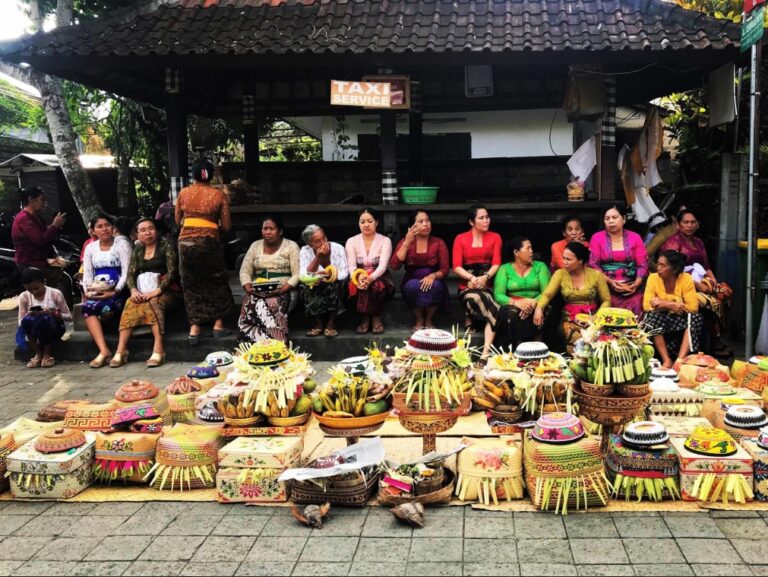
Unlike museums, Bali’s statues are living cultural elements. You may see locals placing offerings at their feet every morning, showing respect and gratitude. These rituals are best observed calmly, without rushing—something that a private driver Bali service makes much easier.
Common Types of Statues You’ll Encounter
While exploring the island, several statue types appear repeatedly. This Understanding the Cultural Significance of Bali’s Statues guide highlights the most common ones:
Guardian statues (Dwarapala) stand at temple gates, symbolizing protection.
Deities such as Shiva, Vishnu, and Brahma represent creation, preservation, and transformation.
Mythical creatures like Barong and Rangda reflect the balance between good and evil.
A knowledgeable local driver often explains which statues are sacred and which are symbolic art, adding depth to your Bali day trip.
Where to See the Most Meaningful Statues
Some of the best places to explore statues include major temples, rural villages, and cultural sites. With a Bali car hire with driver, you can visit multiple locations comfortably in one day.
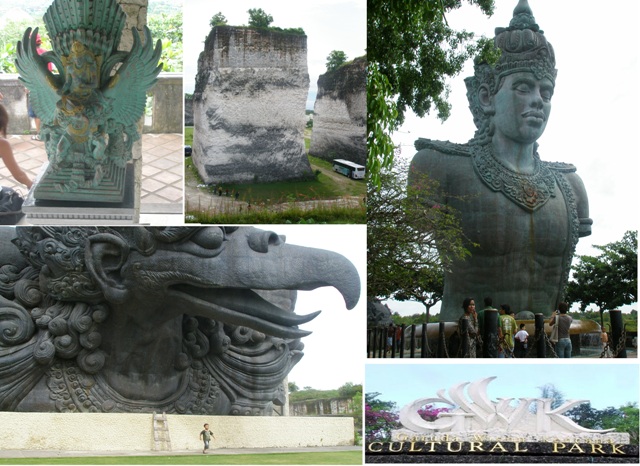
In Ubud, statues blend art and spirituality, reflecting the area’s creative heritage. In East Bali, temples feature older stone carvings influenced by ancient kingdoms. South Bali displays grand statues near cultural parks and ceremonial sites.
To fully appreciate these places, many travelers choose a Bali private tour service like 👉 Bali private tour service, which allows flexible timing and deeper cultural explanations.
Real Travel Example: A Cultural Day with a Local Driver
Here’s a practical example from this Understanding the Cultural Significance of Bali’s Statues journey:
A family books a Bali tour package with a private driver for a full-day cultural exploration. The day starts at a quiet village temple in the morning, where guardian statues are explained in detail. Next stop is a traditional stone-carving village, where artisans demonstrate how statues are made by hand. After lunch, the tour continues to a larger temple complex, where offerings and rituals bring the statues to life.
This experience would be difficult to plan independently, but seamless with a hire driver Bali service.
The Role of Statues in Daily Life
Statues in Bali are not limited to tourist sites. This Understanding the Cultural Significance of Bali’s Statues perspective shows that even small household shrines have carefully placed figures. These represent ancestors or protective spirits, reinforcing harmony between humans, nature, and the divine.
Local drivers often point out statues that tourists might overlook, especially in rural areas. This local insight transforms a simple Bali day trip into a meaningful cultural lesson.
Respectful Behavior When Visiting Statue Sites
When exploring sacred places, respect is crucial. Dress modestly, avoid climbing on statues, and never interrupt ceremonies. A professional Bali tour service ensures beginners understand these customs.
Travelers who choose Bali daily tours with local guides and drivers tend to feel more confident and respectful, especially at temples with strict traditions.
Combining Comfort and Culture with the Right Transport
Exploring cultural sites often involves walking, heat, and long distances. That’s why Understanding the Cultural Significance of Bali’s Statues is closely linked to choosing the right transport.
A Bali car charter with driver offers:
-
Air-conditioned comfort between sites
-
Flexible schedules for ceremonies
-
Safe storage for personal items
-
Local explanations during the drive
This approach keeps cultural exploration relaxed rather than exhausting.
Visual Inspiration: Bali’s Sacred Statues and Cultural Journeys
Final Thoughts
Understanding the Cultural Significance of Bali’s Statues adds depth and meaning to any trip. These statues are not just beautiful art pieces—they are guardians, storytellers, and spiritual anchors of Balinese life.
If you want to explore Bali’s temples and cultural sites comfortably and respectfully, consider booking a Bali daily tour or Bali car charter with driver. Visit balibelin.com today and let a trusted Bali tour service guide you through the island’s living heritage with insight, comfort, and care 🌺🗿